I
Streets & squares
Place des Vosges is the first planned square of Paris. Francs-Bourgeois, Vieille-du-Temple, Archives, and François-Miron lend streets their names. In the Haut-Marais, province names sit beside carved signs, house numbers, and hidden courtyards. The carved details reward close attention.
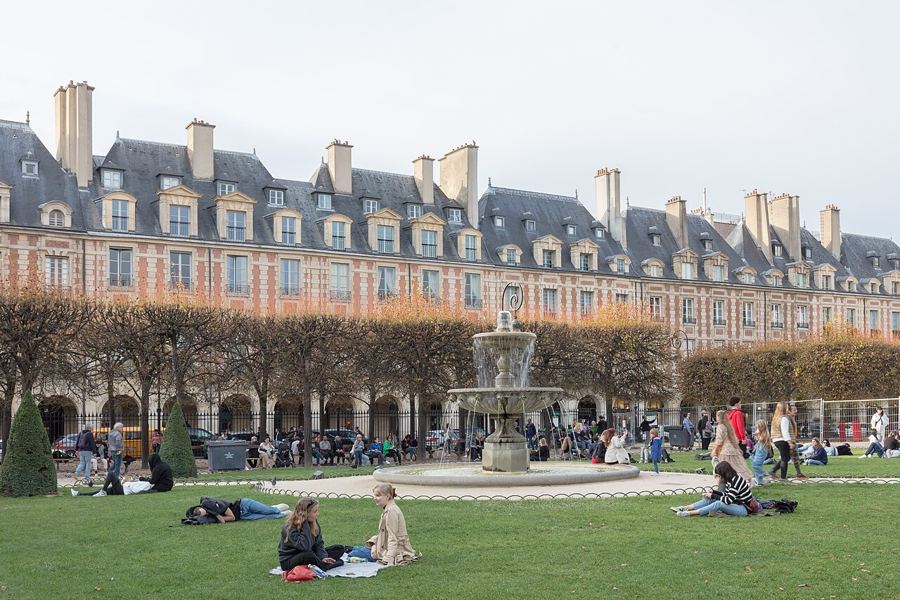
Place des Vosges: how a square set a pattern
Henri IV’s planned square took shape on former royal grounds, with thirty-six houses and a name drawn from the first department to pay revolutionary taxes.
3e and 4e · Chemin VertRue des Francs-Bourgeois, the Marais in one line
A west-to-east passage gathers archival grandeur, garden frontage and old mansions, while its name preserves the memory of tax-exempt poor residents.
3e and 4e · Saint-Paul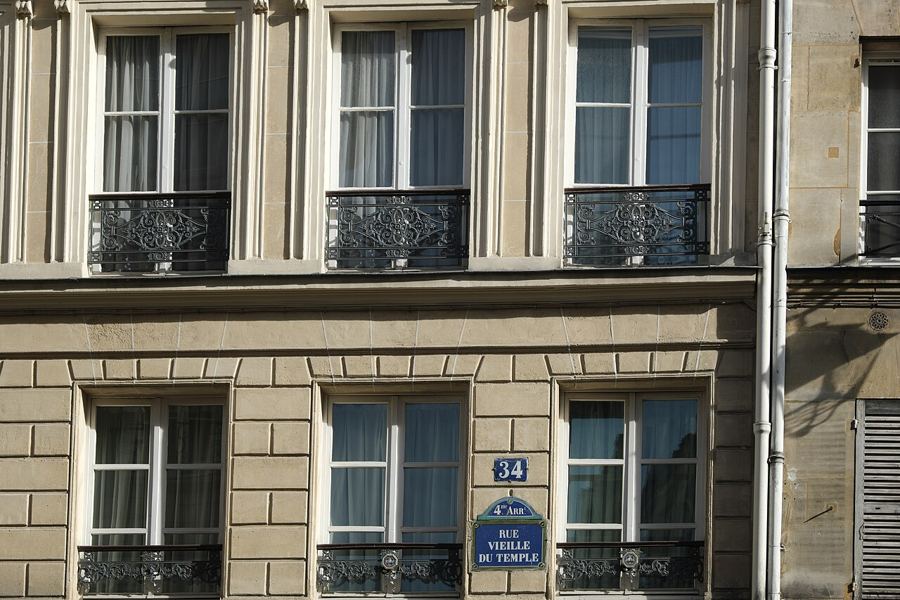
Rue Vieille-du-Temple, five centuries at a corner
From the old road to the Templars’ enclosure to a turret restored after war, the street keeps distinct centuries close along one pavement.
3e and 4e · Saint-Paul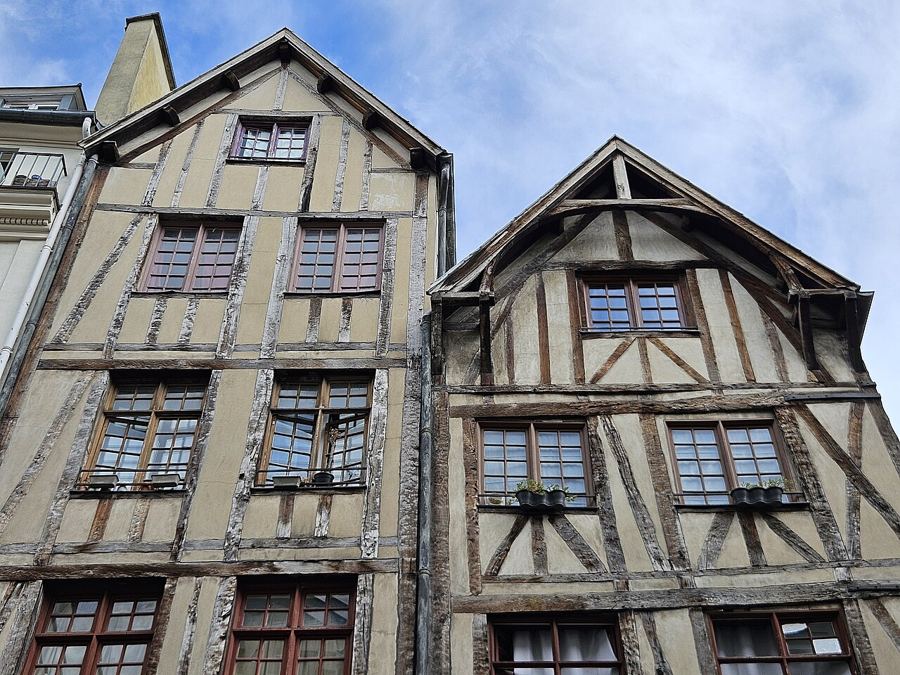
What survived beneath the plaster on rue François-Miron?
A short walk from Saint-Gervais to Gothic cellars follows the street’s timber façades, and the Paris that once built in wood.
4e · Saint-PaulHow did the Village Saint-Paul become a walk-through maze?
Linked courtyards trace a passage from a crowded, troubled block to open passages lined with antique and second-hand furniture.
4e · Saint-Paul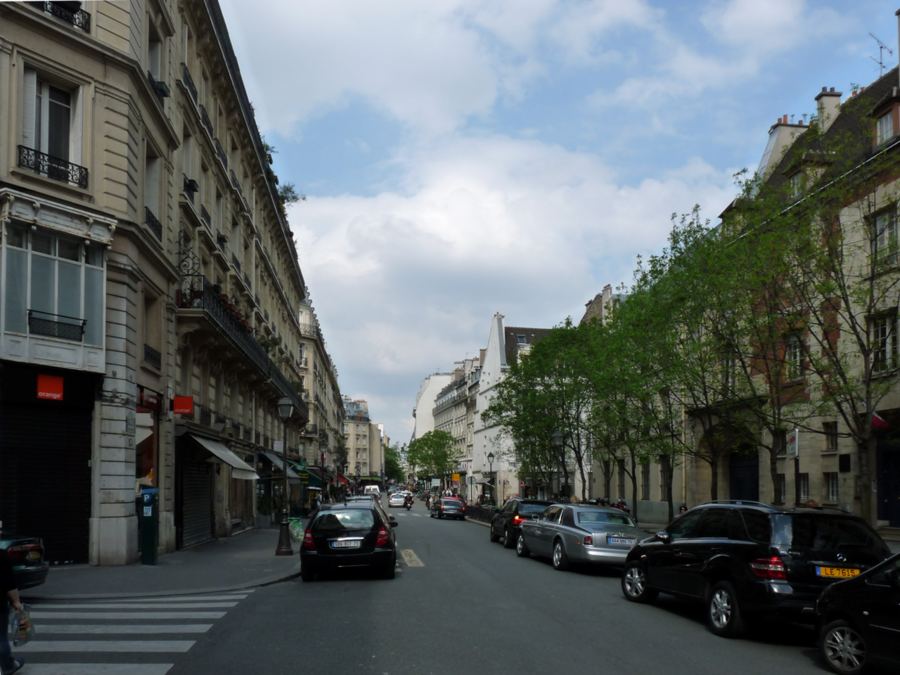
What does Rue des Archives hold together?
A northward walk follows joined lanes, a 14th-century gateway, a Mansart town house and a medieval cloister through the changing shape of the Marais.
3e and 4e · Rambuteau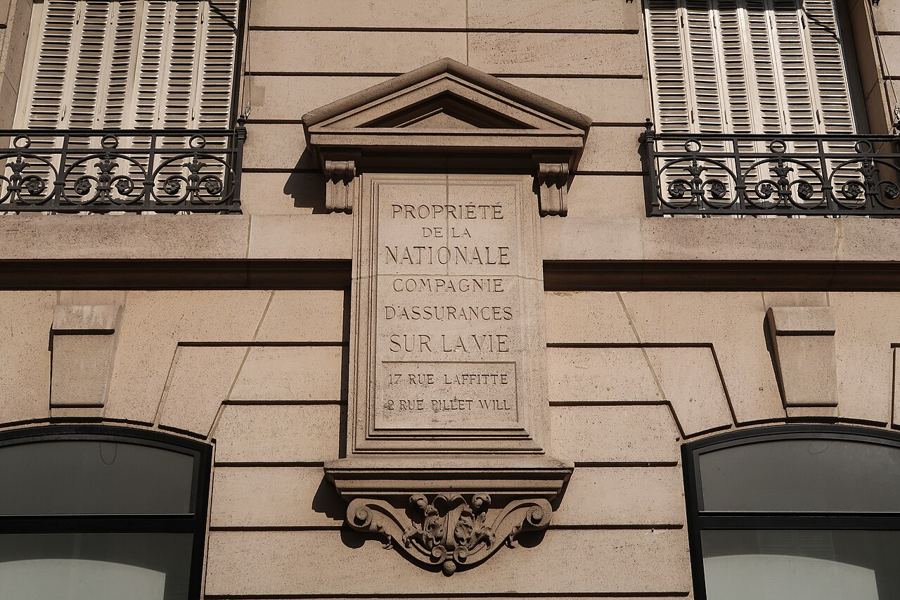
What do carved street names still say?
Morning, midday, and late afternoon reveal the Marais in carved names, erased lettering, enamel plaques, and the logic of house numbers.
3e and 4e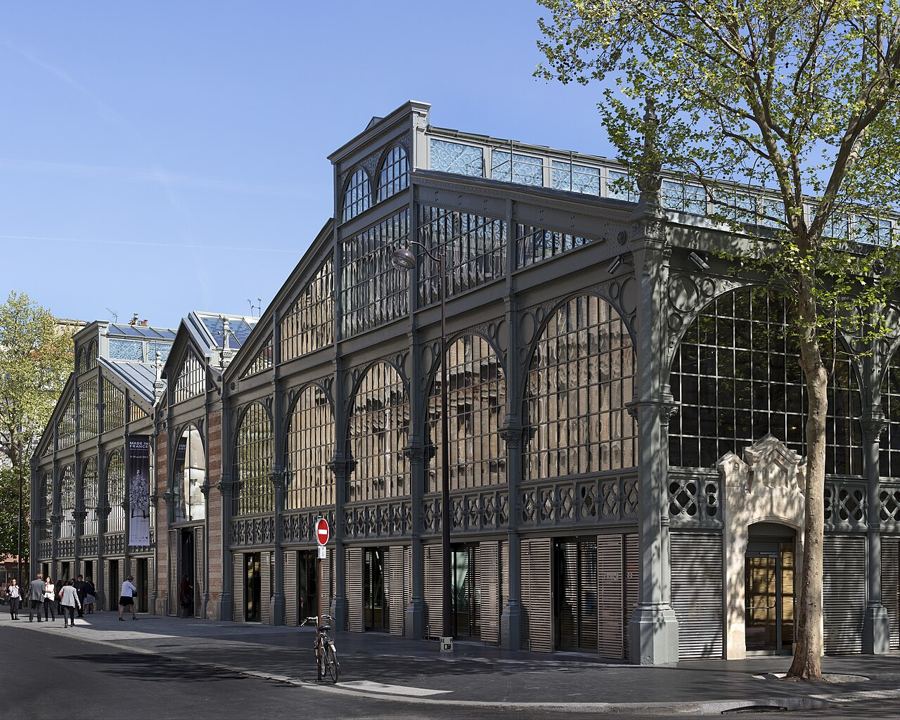
The square that left its provinces behind
In the Haut-Marais, provincial street names preserve the outline of Henri IV’s semicircular square, abandoned after the king’s assassination.
3e · Filles du Calvaire