VII
Markets & table
The Marché des Enfants Rouges is Paris’s oldest covered market. Open-air markets at Bastille and Baudoyer carry the market gardeners’ story. Baguette rules, café customs, and the cheese stall bring everyday rituals into view.
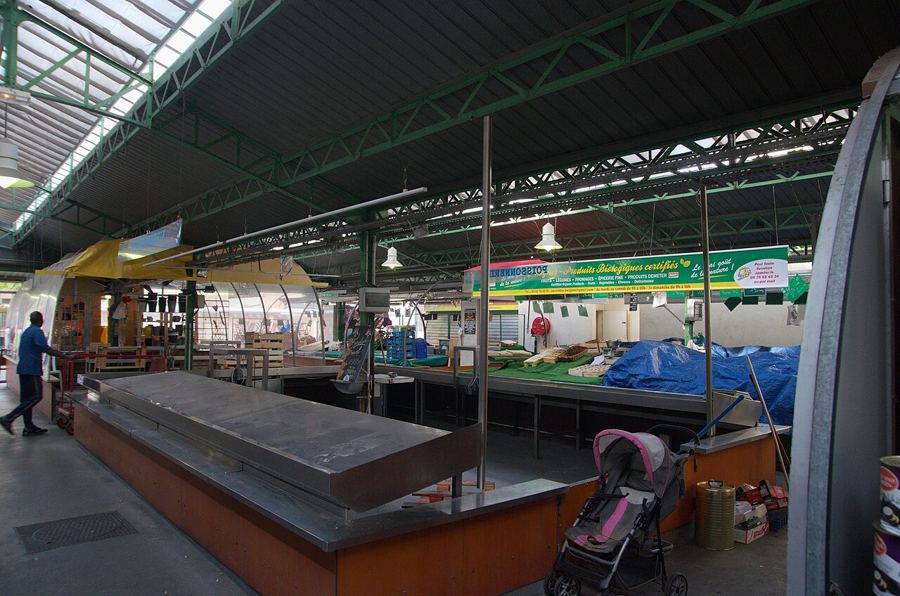
Marché des Enfants Rouges: four centuries behind a gate
From its founding under Louis XIII to its reopening after a neighbourhood campaign, the market carries four centuries of trade behind rue de Bretagne.
3e · Filles du Calvaire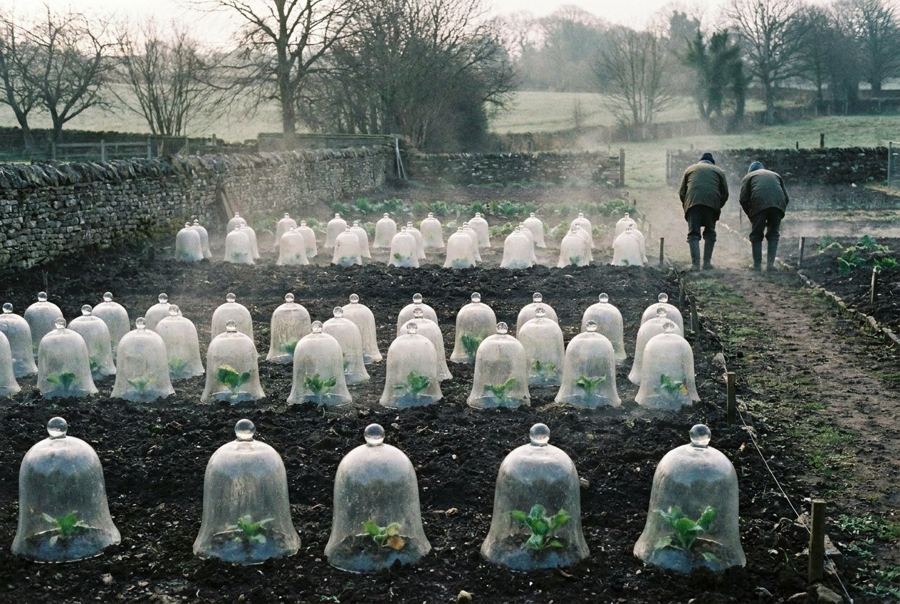
How did Paris grow harvest after harvest?
Horse manure, glass and careful planning made small Paris plots yield repeatedly; the French intensive method later inspired gardeners abroad.
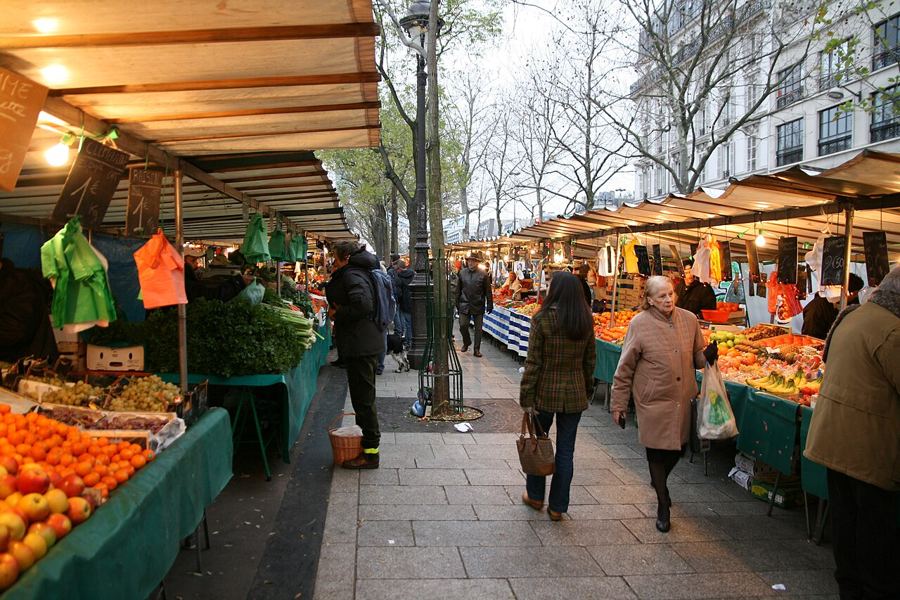
How do Marais markets appear and vanish?
A market takes shape, fills with sellers, then clears away. Bastille and Baudoyer show two different rhythms in Paris’s open-air food markets.
4e and 11e · Bastille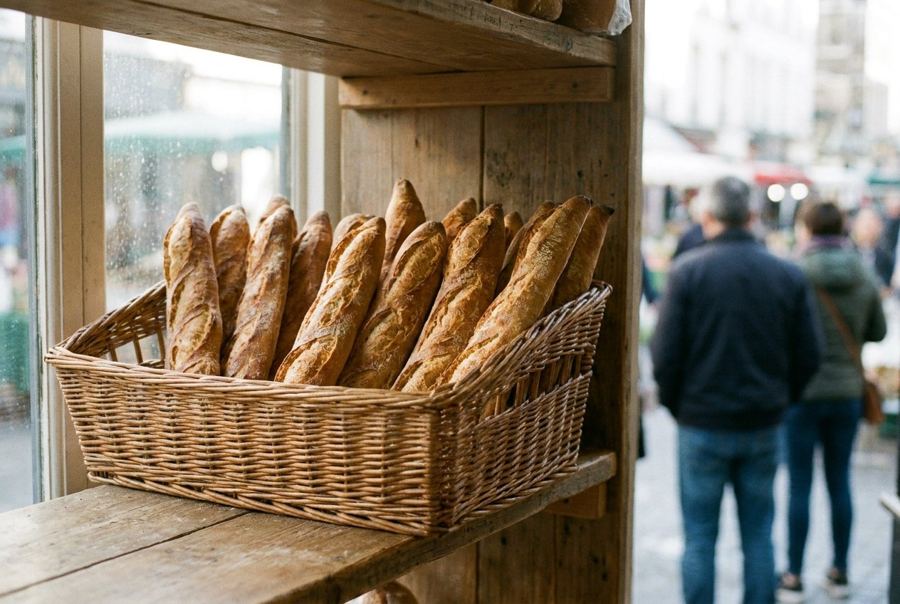
When a baguette has a legal definition
From the 1993 decree to Paris’s yearly contest, the baguette’s daily life carries rules, craft and public judgment.
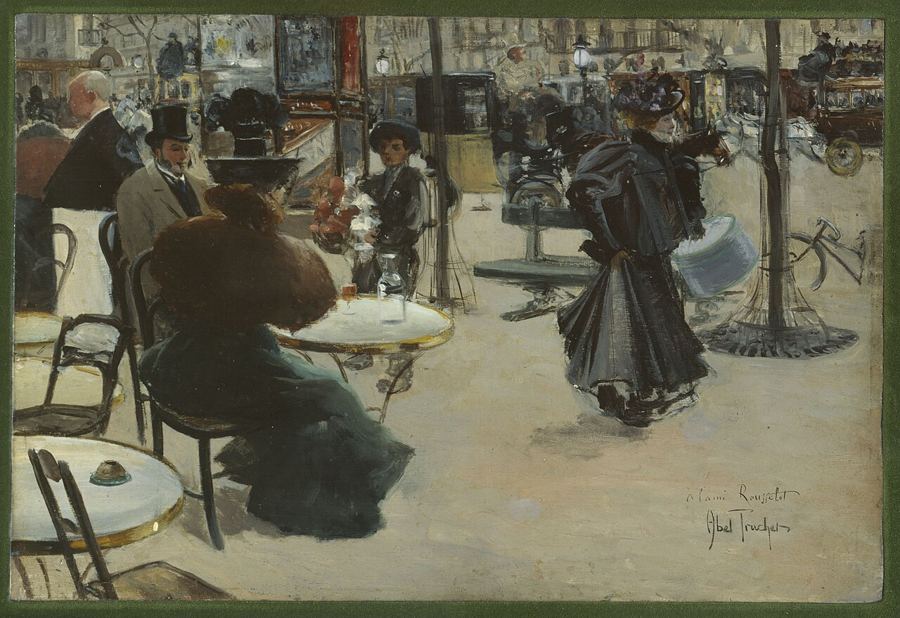
What are the customs of the café counter?
A small guide to the zinc, the names in a cup, and the quiet distinctions between counter, room and terrace.
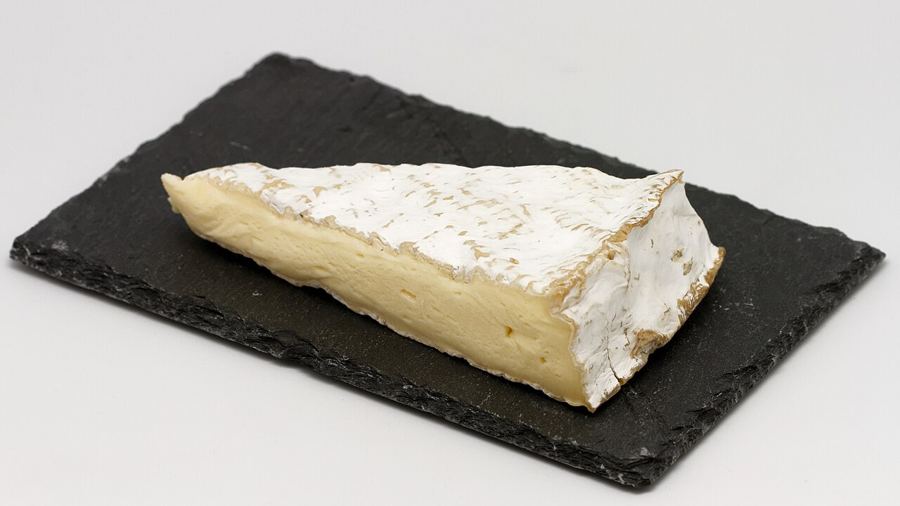
Can a cheese stall map France?
Brie from the Paris region, the affineur’s cellar work and Comté’s age make a cheese counter read like a map, one label at a time.