II
Hôtels particuliers
Courtyard-and-garden town houses from the 16th to 18th centuries set the frame. Sully, Soubise, Rohan, Sens, Beauvais, Lamoignon, and Amelot de Bisseuil offer plans and decoration to read. Androuet du Cerceau, Delamair, Le Pautre, and Mansart add architectural names.
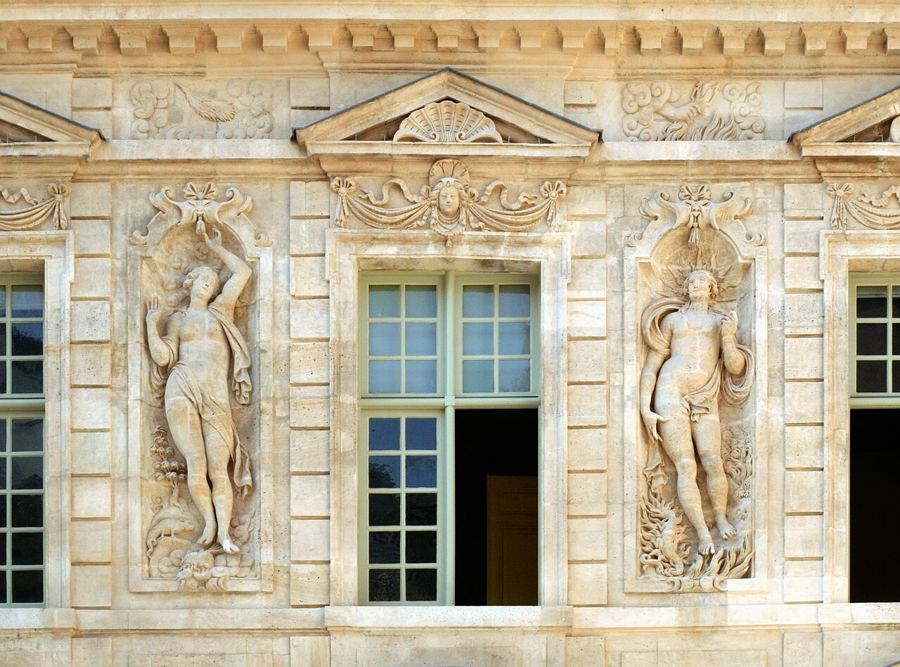
Hôtel de Sully, from street to square
A street gate begins the story; courtyard reliefs, a formal garden and an orangery carry it towards Place des Vosges.
4e · Saint-Paul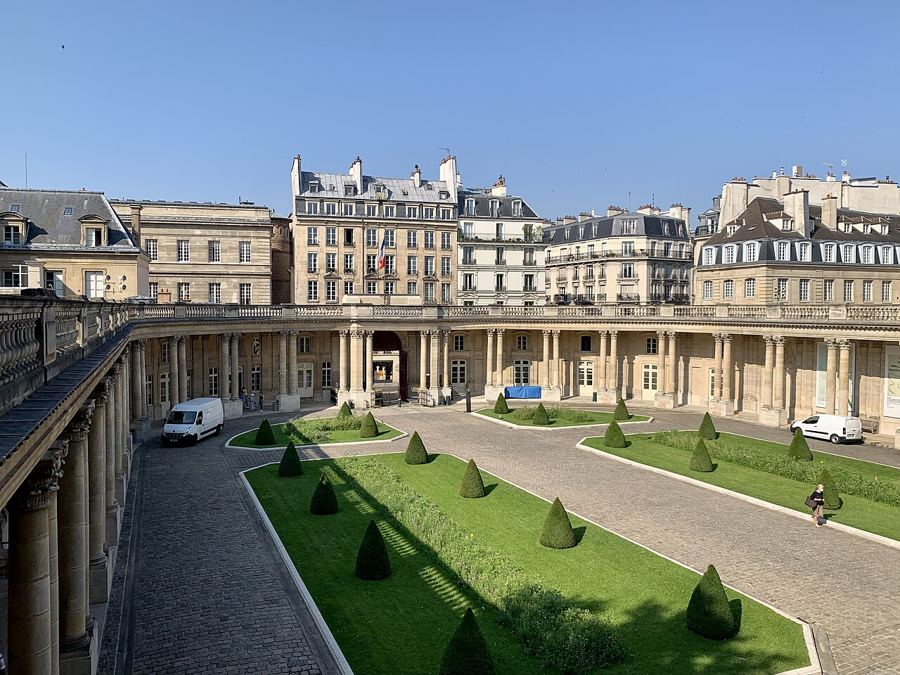
Hôtel de Soubise: from princely rooms to state archives
A horseshoe court, rococo salons and old collections hold two stories together: a princely house reshaped into a home for France’s archives.
3e · Rambuteau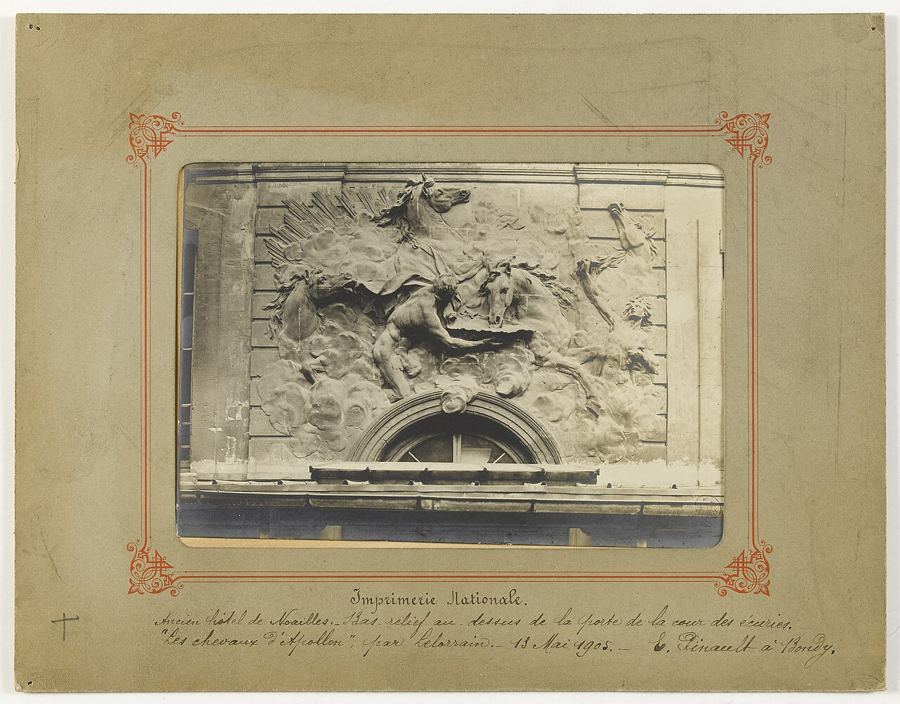
Hôtel de Rohan, where cardinals met Apollo’s horses
Four bishops, carved horses and painted monkeys turn a cardinal’s house into a playful family story.
3e · RambuteauWhat does the Hôtel de Sens keep?
A day with the Hôtel de Sens moves from late-Gothic lines to a public library, carrying the memory of archbishops, Marguerite de Valois and revolution.
4e · Pont Marie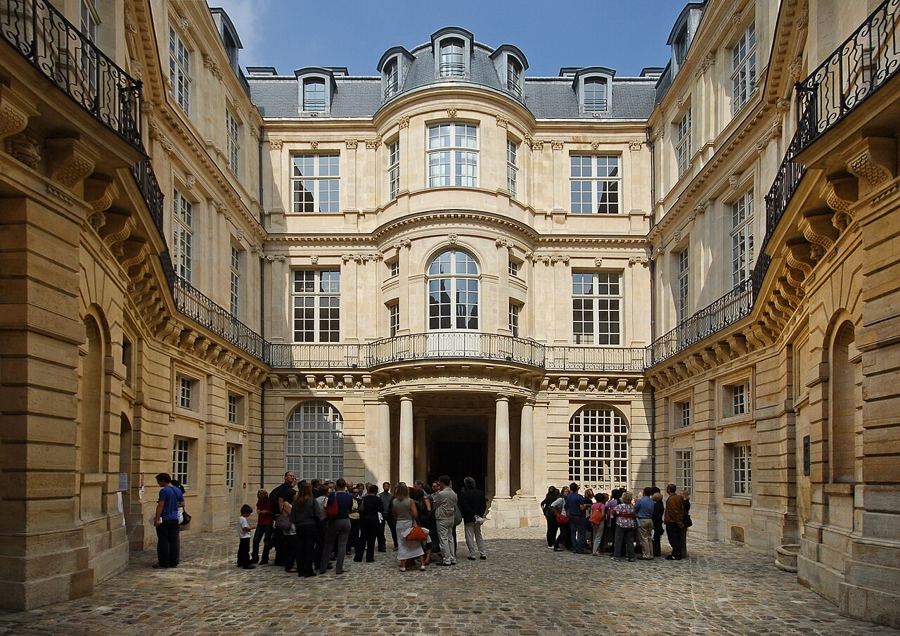
How did Hôtel de Beauvais make room for a curve?
An irregular plot became an asymmetric courtyard with a curved end, while a balcony and Gothic cellars hold the house’s layered history.
4e · Saint-Paul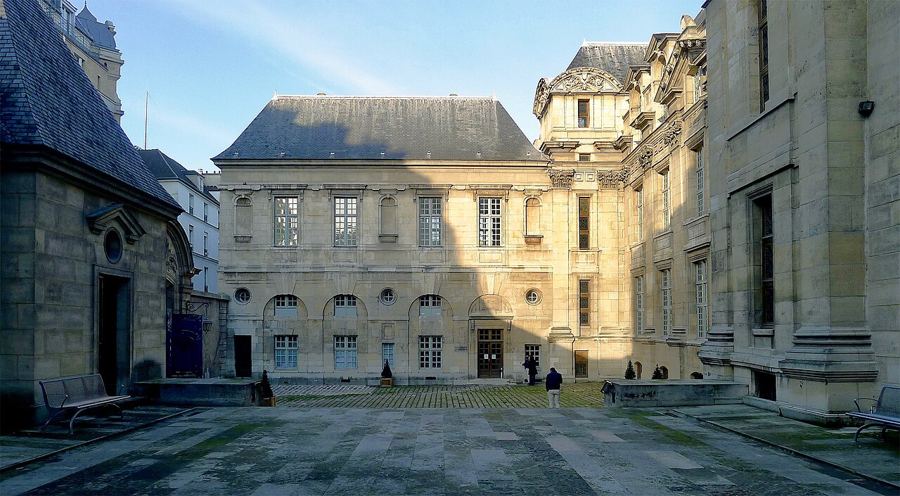
Hôtel de Lamoignon and Paris’s first giant pilasters
Built for Diane de France, the house carries hunting emblems above colossal pilasters, among the earliest of their kind in Paris.
4e · Saint-Paul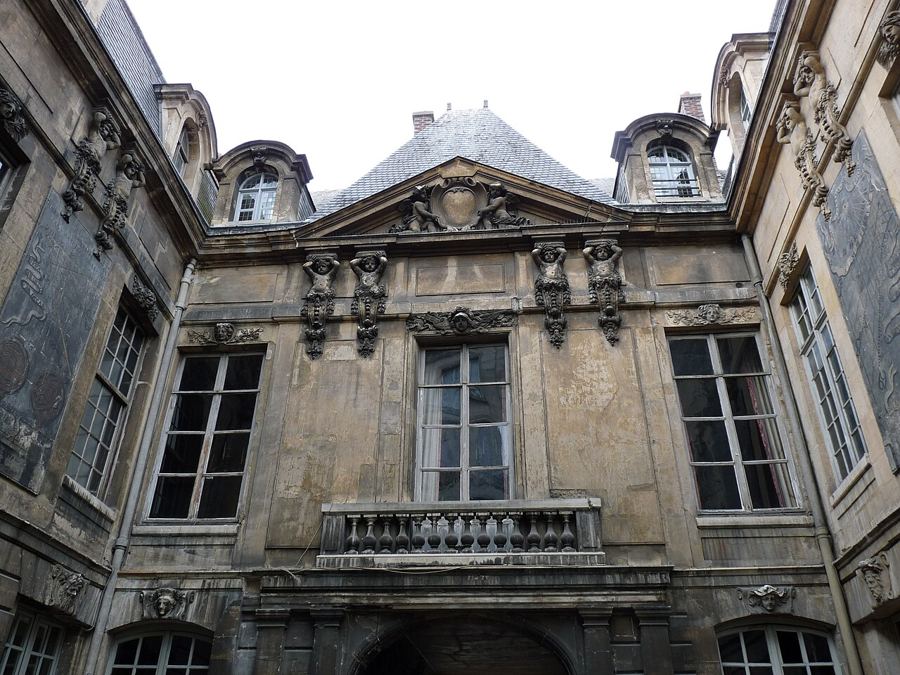
Hôtel Amelot de Bisseuil: Figaro and the secret arms trade
A carved wooden door fronts a mansion with two names, Beaumarchais’s play, and secret shipments bound for American revolutionaries.
4e · Saint-Paul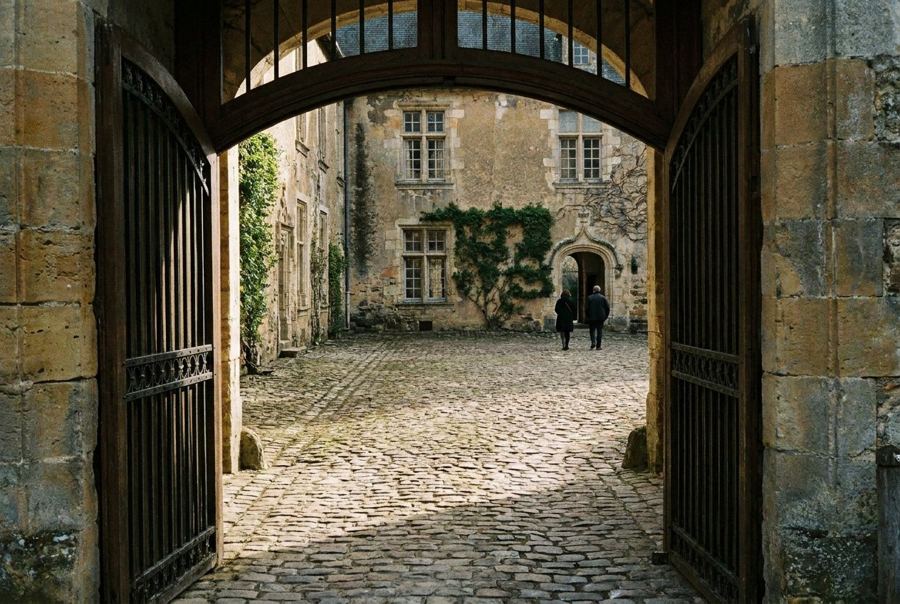
How can a Marais hôtel particulier be read?
A façade gives the first clue. Follow the carriage gate, courtyard, main house and garden, then read the rooms left behind.
3e and 4e