IV
The Pletzl
Around rue des Rosiers, the Yiddish-speaking quarter holds layered histories. Guimard’s synagogue on rue Pavée, the Mémorial de la Shoah, and the Righteous belong to its account. Street names and Ashkenazi and Sephardi food traditions carry other traces.
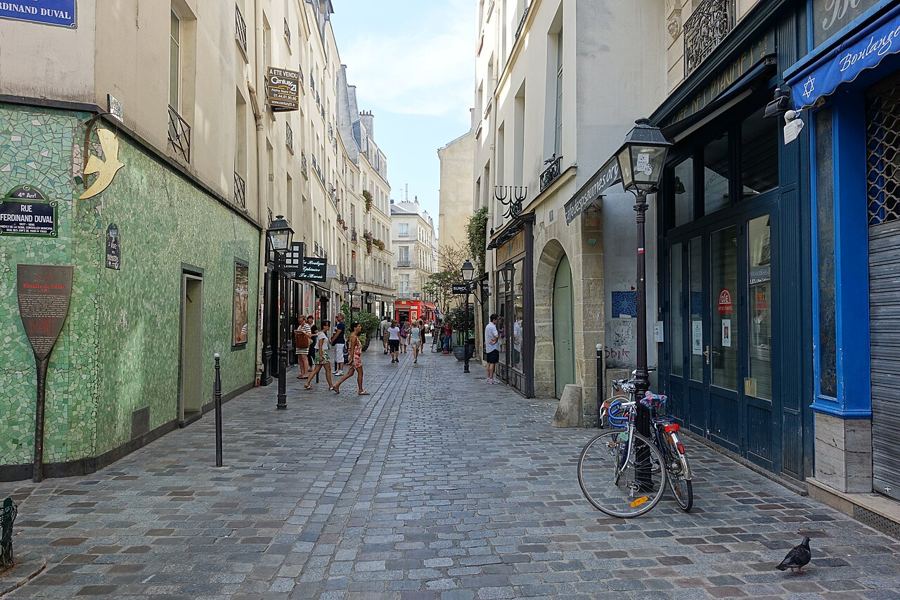
The Pletzl: three arrivals around rue des Rosiers
A few streets hold successive migrations: from Alsace and Eastern Europe to North Africa, with war and change written into the quarter’s name.
4e · Saint-Paul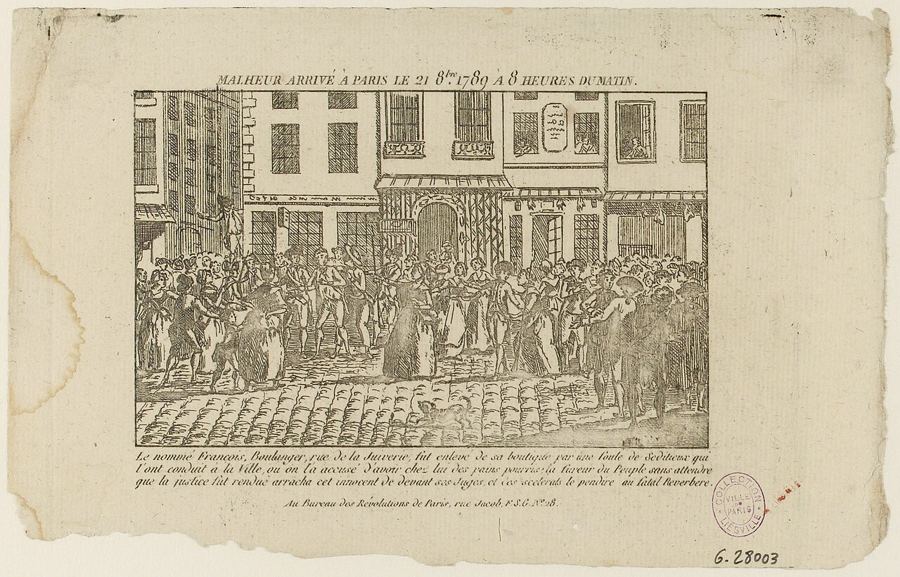
How did Guimard fit a synagogue onto rue Pavée?
A tall, narrow façade holds an Art Nouveau design on a tight plot, built for an association of Orthodox Jews from Eastern Europe.
4e · Saint-Paul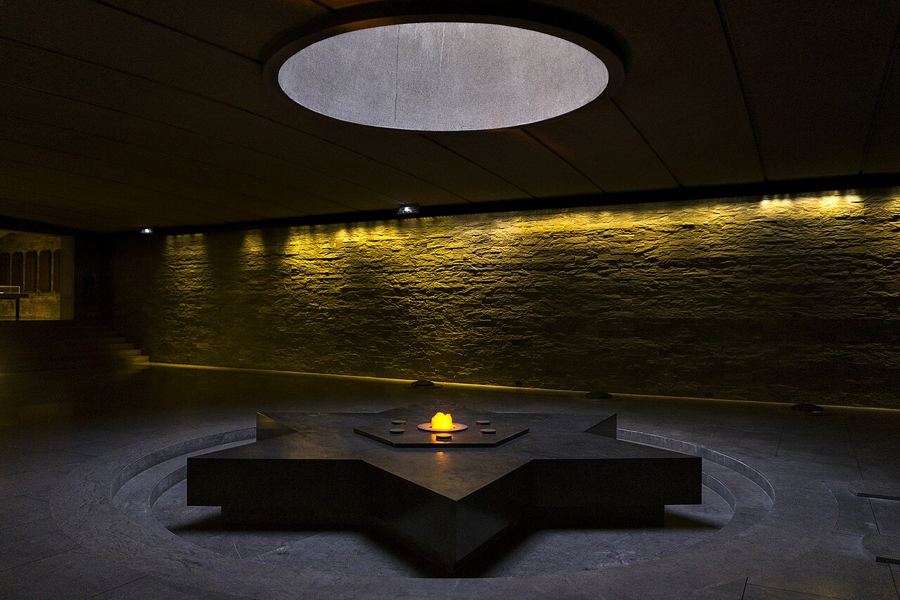
A secret archive, a wall of names
From a clandestine document centre founded in Grenoble to the Wall of Names, rue Geoffroy-l’Asnier holds a history that resists a quiet ending.
4e · Saint-Paul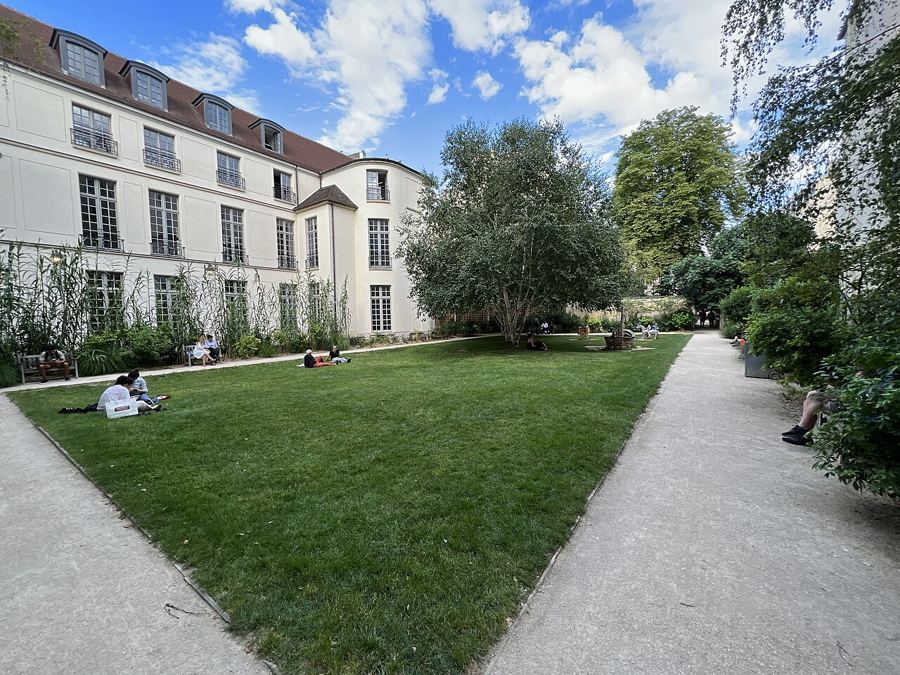
Jardin des Rosiers – Joseph-Migneret: a quiet square, a hard story
A quiet square joins former mansion gardens to Joseph Migneret’s name, carrying the story of his help to Jewish pupils and their families.
4e · Saint-Paul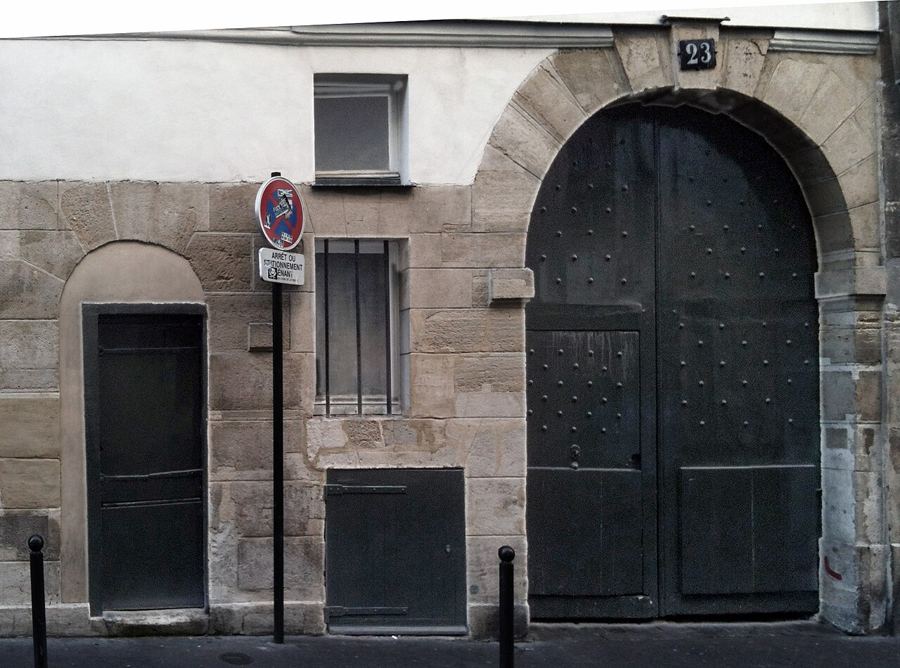
What do the Pletzl’s street names remember?
Rose bushes, a painted kite, and a royal residence leave their marks on the Pletzl. Its street names make a map that remembers.
4e · Saint-Paul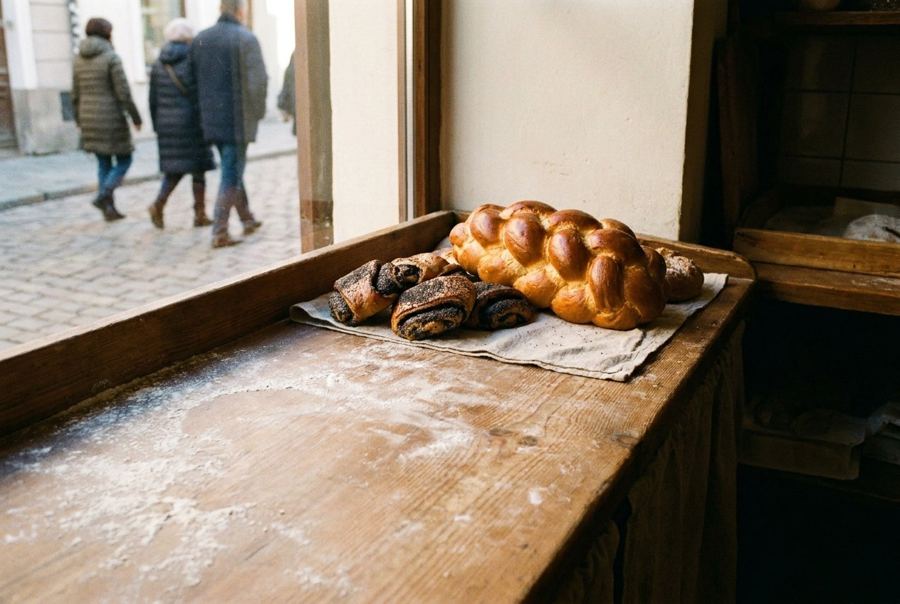
Two kitchens on rue des Rosiers
Ashkenazi breads, Eastern European deli food and North African dishes share rue des Rosiers, shaped by kosher rules and the week’s changing rhythm.
4e · Saint-Paul