Markets & table
Can a cheese stall map France?
Brie from the Paris region, the affineur’s cellar work and Comté’s age make a cheese counter read like a map, one label at a time.
- Period
- today
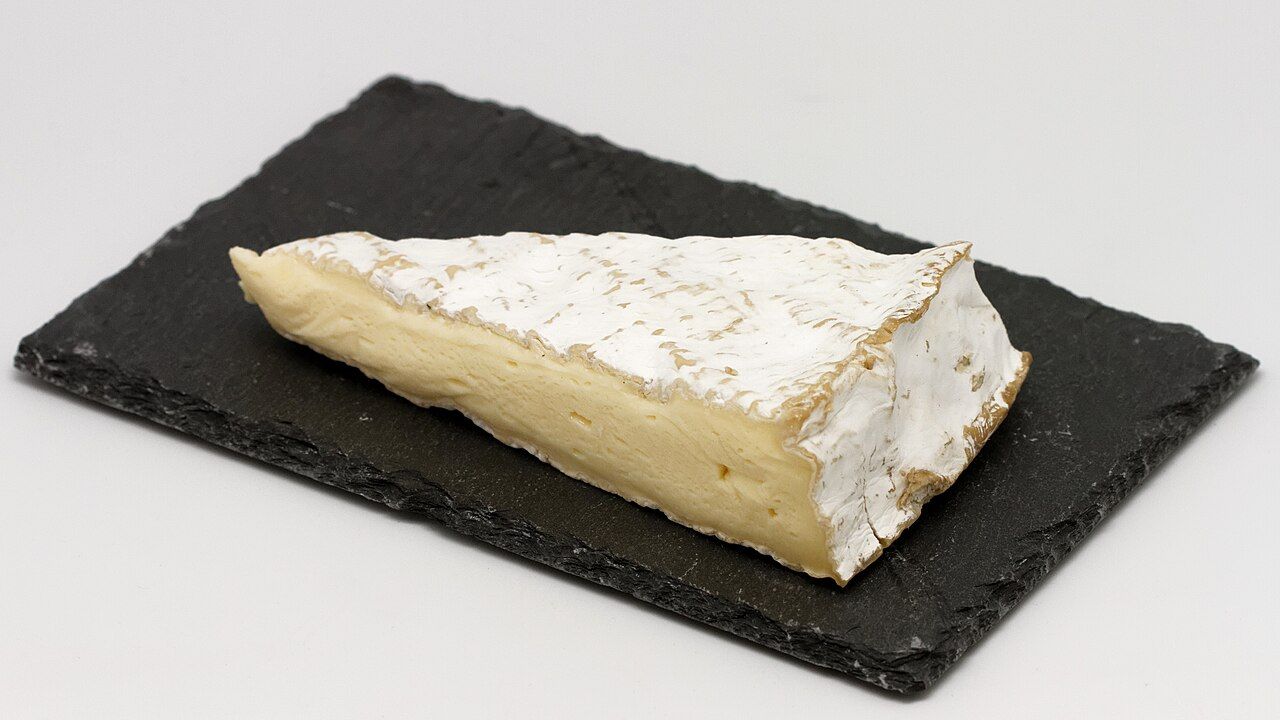
More than 40 French cheeses carry protected designation of origin.
Where does the map begin?
At the stall, begin with the names, not borders. A cheese counter reads like France in small, edible headings. The names narrow the view from country to region. Brie de Meaux and Brie de Melun bring the map near Paris. Both come from Île-de-France, the region around Paris. Their shared name does not erase the distinction between them. It gives the counter nearby points to hold.
At the twice-weekly boulevard market, the counter’s map sits beside other market language. The wider market frame also includes the vegetables grown inside the city.
What does a designation tell?
Protected designation of origin reads as a marker of place. France has more than 40 cheeses carrying this designation. That number turns a stall into a wider map. Brie de Meaux received its designation in 1980. The date gives one name a point in time, not flavour. Here, the label carries history in a compact line.
What does the milk label say?
Look for the words ‘lait cru’ on cheese made from unpasteurised milk. The label is brief, and its meaning is precise. It identifies the milk as unpasteurised, rather than adding another place name. Beside the cheese name, it adds a different kind of information. A stall carries more than geography; it carries distinctions in making. The labels set these kinds of information side by side.
Who gives the cheese its age?
An affineur ripens cheeses in cellars. Turning and washing continue until they reach the right age. That is the work behind the word affineur. Cellars hold the process out of sight; turning and washing make it active. The counter carries a layer beyond place. It shows what happened as each cheese ripened. This layer belongs to the work, not merely the label.
How does the map widen?
Follow Comté from the Jura, then note its age in months. It is often sold by age, from about 4 to 24 months or more. Those figures do not replace its place; they add another coordinate. The eye moves from Brie de Meaux and Brie de Melun to Jura Comté. The distance on the counter is short; the map in the names stretches farther.
Where does cheese sit in a meal?
In a French meal, the cheese course comes after the main dish and before dessert. That sequence gives the counter another kind of map, marked by order rather than geography. The label points outward, toward region or age; the meal places cheese within a progression. The stall holds both maps together, quietly. What other places might those labels bring into view?