Hôtels particuliers
Hôtel de Soubise: from princely rooms to state archives
A horseshoe court, rococo salons and old collections hold two stories together: a princely house reshaped into a home for France’s archives.
- Arrondissement
- 3e
- Métro
- Rambuteau
- Period
- 1705-1740
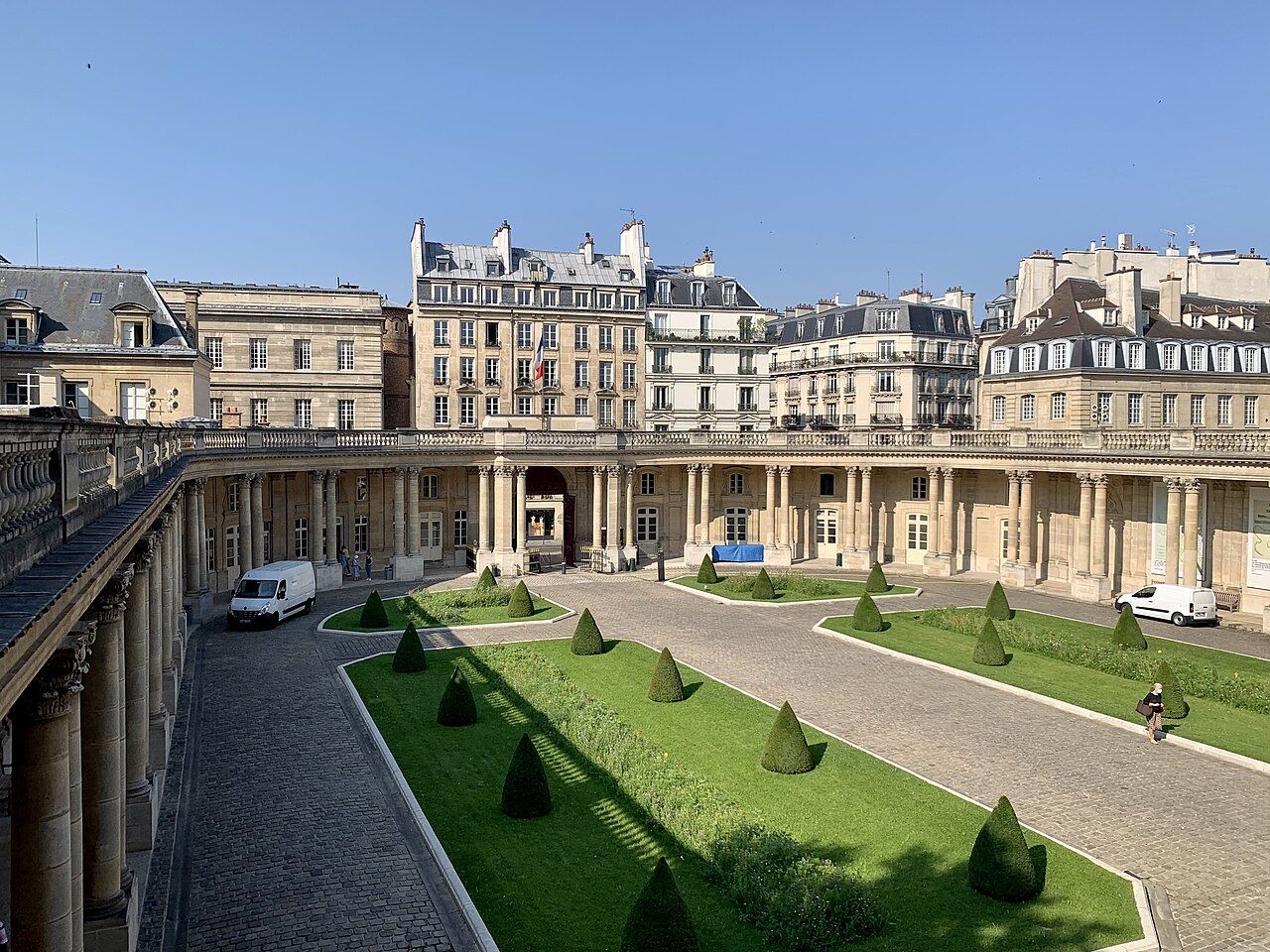
“The horseshoe-shaped court of honour is lined with a colonnade of paired columns.”
Follow the house through its changes, from family residence to archives. Its rooms gather different kinds of memory, without quite separating them. The court and salons speak through their shapes and decoration. The collections carry the longer record of the state. A house can change its public meaning without losing its earlier shape.
A house can change its public meaning without losing its earlier shape.
What stood here before?
Begin with the earlier houses beneath the later story. The site held the Hôtel de Clisson, then the Hôtel de Guise. The Guise family used it as their Paris base during the Wars of Religion. Those names place the house in a longer sequence, before the rebuilding began. The princely residence did not arrive on empty ground. Its past already carried family and political weight. The later rooms would add another chapter, rather than erase the earlier ones.
The cardinals' house next door makes another nearby chapter visible: the cardinals' house next door. The houses belong to a shared setting, but their stories remain distinct. Here, the older succession leads toward a new entrance and a new princely identity.
Where did the rebuilding begin?
In 1705, rebuilding began for François de Rohan, Prince of Soubise, and his wife, Anne de Rohan-Chabot. Pierre-Alexis Delamair was the architect. The work changed the house's orientation, turning it toward a new entrance on rue des Francs-Bourgeois. That decision gives the approach a clear sense of intention. The house faces the street differently now, as if its public front had been reconsidered. The route connects the residence to the street that splits two arrondissements.
The date marks a beginning, not a finished interior. The exterior arrangement and the princely rooms would take shape through separate acts of design. The house's story moves by layers: an altered approach, a court, then rooms remade for another generation.
How does the court shape the house?
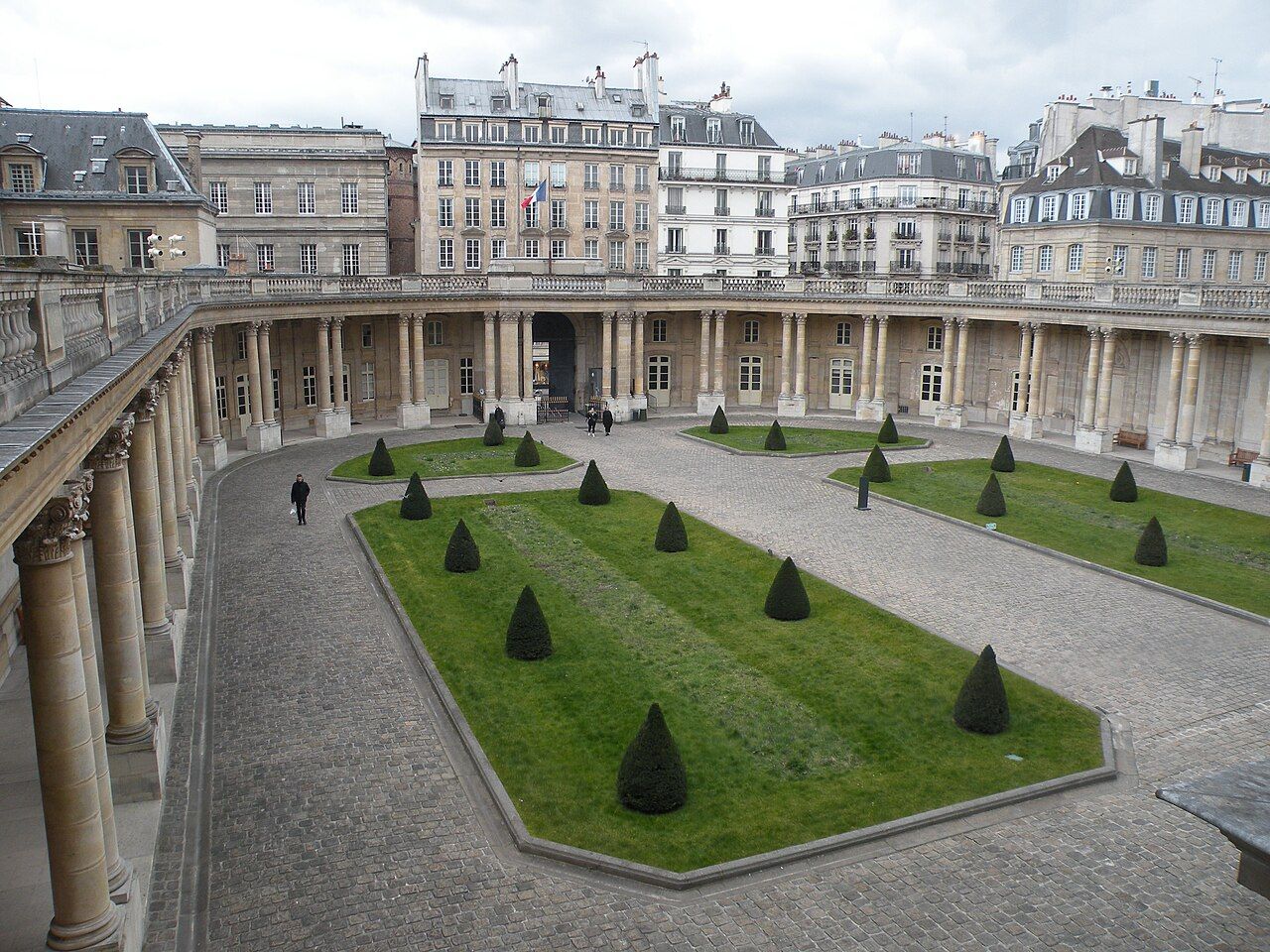
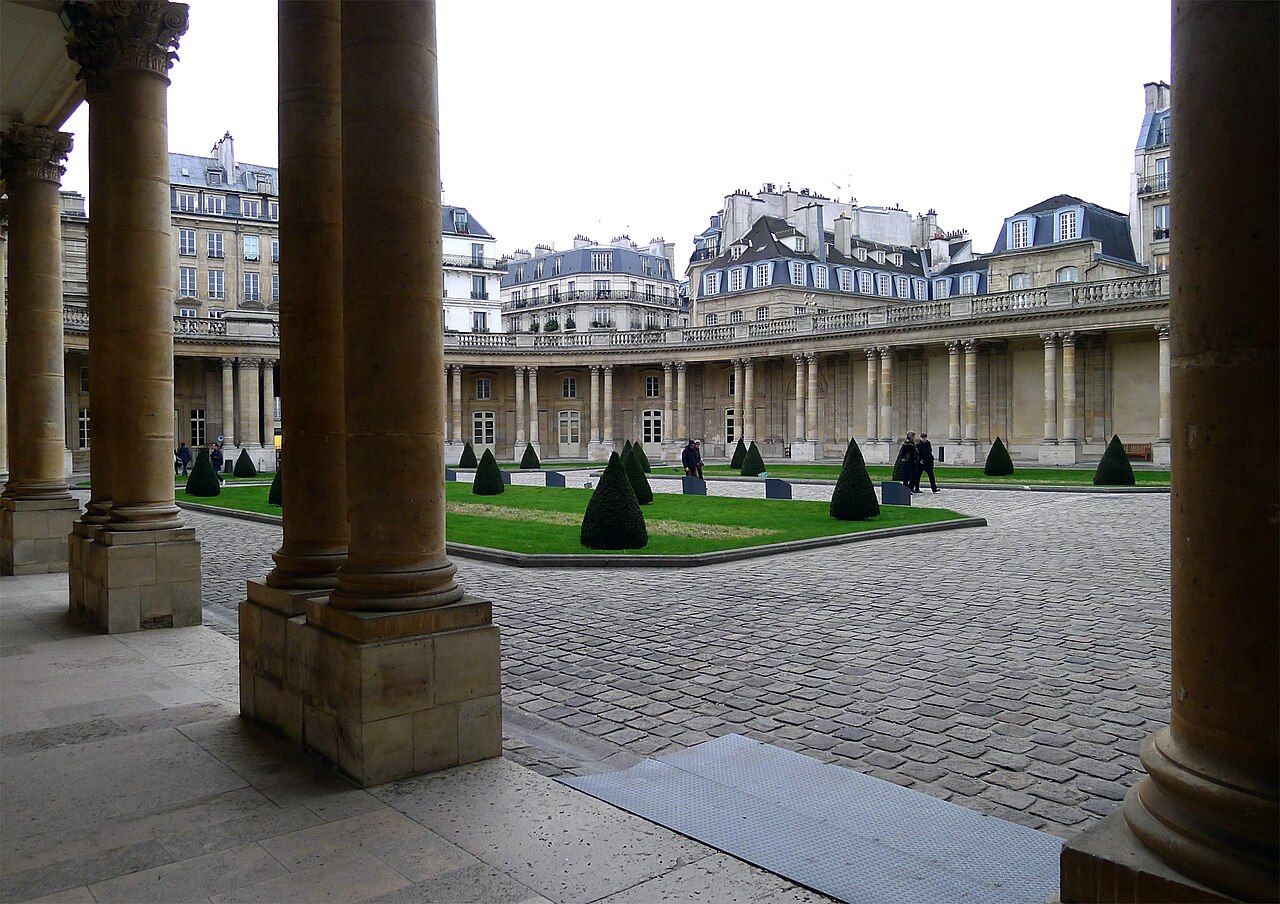
Read the horseshoe-shaped court of honour as the house's first strong gesture. A colonnade of paired columns lines its curve. The repeated pairs make the court feel measured, while the horseshoe gives that order a rounded edge. It is an architectural welcome, but not a soft one. The arrangement gathers attention toward the house and makes arrival part of its design.
Beyond the court, the medieval gateway on the next street offers another kind of threshold: the medieval gateway on the next street. The contrast is useful. One entrance belongs to Delamair's reorientation; the other carries an older sense of passage. The Marais holds both kinds of approach close together.
What changed inside the princely apartments?
Between 1735 and 1740, Germain Boffrand redecorated the princely apartments for Hercule-Mériadec de Rohan-Soubise. The work shifted the story from rebuilding to decoration. Rooms became a place where princely identity could be expressed through art and ornament. The house was not simply a shell around a court. Its interiors made another argument, more intimate and more elaborate.
The oval salon of the Princess stands at the centre of that account. It is one of the finest rococo interiors in France. Its oval shape gives the room a different rhythm from the court's paired columns. The eye moves around the space, following curves rather than a straight approach. The effect is delicate, but never slight.
What do the paintings add?
Paintings by Charles-Joseph Natoire tell the story of Psyche in the oval salon. The painted story brings another narrative into a room already shaped by curves. Its images do not replace the architecture; they make the walls part of the telling. The salon holds form and story in the same frame.
Paintings by François Boucher also decorate the apartments. Together, the works make decoration more than a finishing touch. They give the rooms a vivid surface and keep the princely apartments tied to their original purpose. The salons remain legible as rooms made for a family, not merely as containers for later history.
When did the house become an archive?
In 1808, Napoleon assigned the house to the Imperial Archives. That change gave the rooms a new public meaning. A princely residence became a place for preserving the state's records. The transformation was large, though the building did not shed its earlier shapes. The court still organizes arrival; the salons still show the work of decoration. The archive arrived within an already layered house.
The Archives nationales hold records of the French state from the Merovingian period onward. That span reaches far beyond the house's own rebuilding and decoration. The contrast is striking: a residence made for particular families now sits within a story of state memory. Its rooms hold the shift between private splendour and public record.
What remains at the Marais site?
In 2013, most documents moved to a new archives building at Pierrefitte-sur-Seine, north of Paris. The Marais site kept older collections and the museum. The move changed what remained here, but did not empty the house of its archive story. The older collections keep the connection present, while the museum preserves the house's other life.
The two roles meet without merging. The museum gives the rooms their architectural and decorative history. The collections carry older records of the state. Between them, the building holds both the family residence and its later institutional purpose. Neither account needs to cancel the other.
Where does the story settle?
Let the sequence end in the gardens behind the Soubise and Rohan houses. They are open to the public. The gardens extend the setting beyond the court and the apartments, without requiring another change of identity. Their presence gives the story a quieter last room, outdoors rather than enclosed.
Nearby, another address within the Marais's layered history offers a further point of comparison. The Soubise house remains its own particular braid: earlier residences, princely decoration, then the state's records. In the garden, the house's changing purposes fall briefly quiet. The rooms and collections remain close behind.