Museums
A private collection at house scale
At a late 16th-century house, an 18th-century collection brings paintings, furniture, porcelain and small precious objects into public life.
- Arrondissement
- 3e
- Métro
- Saint-Paul
- Period
- 18th-century collection
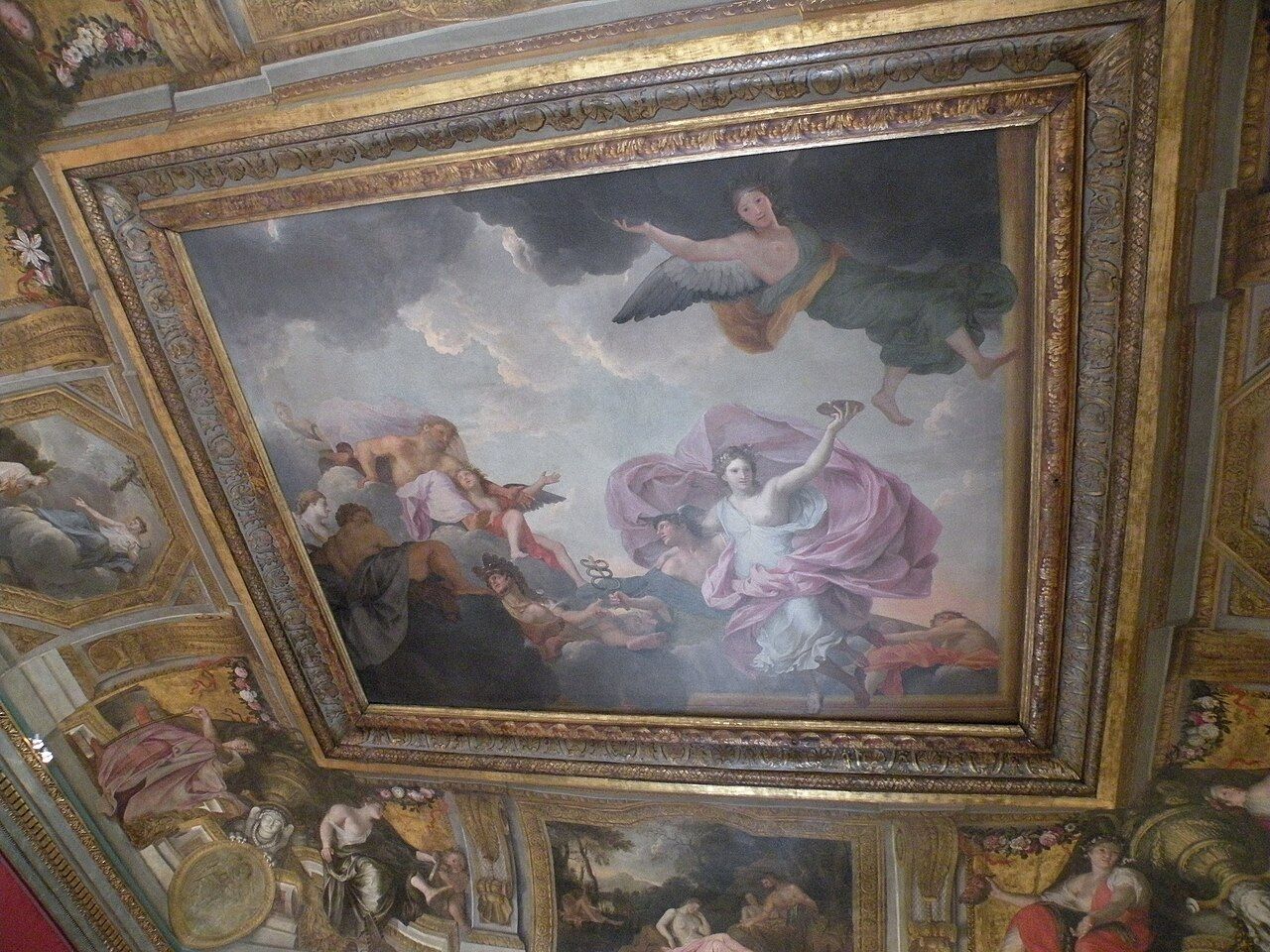
“18th-century European art.”
What does morning hold?
The Hôtel Donon began as a late 16th-century house. It was built for Médéric de Donon, controller of the king’s buildings. Morning starts with that older frame around an 18th-century collection. Here, a private collection has become public, in rooms of human scale.
The collection sits within the layout of a noble town house. House and contents hold different centuries together. That contrast is the story’s first quiet pleasure: an old residence, now filled with the tastes of another age.
What gathers at midday?
Ernest Cognacq and Marie-Louise Jaÿ formed the collection. They founded a large Paris department store, then gathered paintings, furniture, porcelain and small precious objects. The collection gives 18th-century taste several forms. No single medium gets the last word.
The bequest passed to the City of Paris in 1928. First shown on boulevard des Capucines, the collection moved to the Hôtel Donon in 1990. That passage made a private collection part of civic life. Musée Cognacq-Jay concentrates on 18th-century European art, with its varied materials intact.
Paintings sit in the story alongside furniture and porcelain. Small precious objects add another measure of the period. A collection formed by a couple becomes something shared, without losing its particular scale. The house gives that change a setting, not a grand declaration.
What remains in late afternoon?
Boucher, Fragonard, Chardin, Canaletto and Tiepolo are among its painters. Their names give the collection breadth, while its different objects resist a single summary. An early painting by Rembrandt shifts the story beyond the 18th century. Balaam’s Ass dates from 1626, among the museum’s works.
The collection’s range holds attention across materials and periods. Painting, furniture, porcelain and small precious objects each carry a different measure of taste. The effect is less a parade of names than a sustained conversation between forms.
Nearby, the museum of the city around the corner extends the frame beyond this house. Here, the bequest stays close to its domestic scale. Late afternoon leaves two centuries held together: an old house, and a collection made public.