Museums
A house whose 1939 residents remain named
At the Hôtel de Saint-Aignan, Jewish histories meet a mansion’s layered past, from Pierre Le Muet’s seventeenth-century house to names preserved in its courtyard.
- Arrondissement
- 3e
- Métro
- Rambuteau
- Period
- 1644-1650
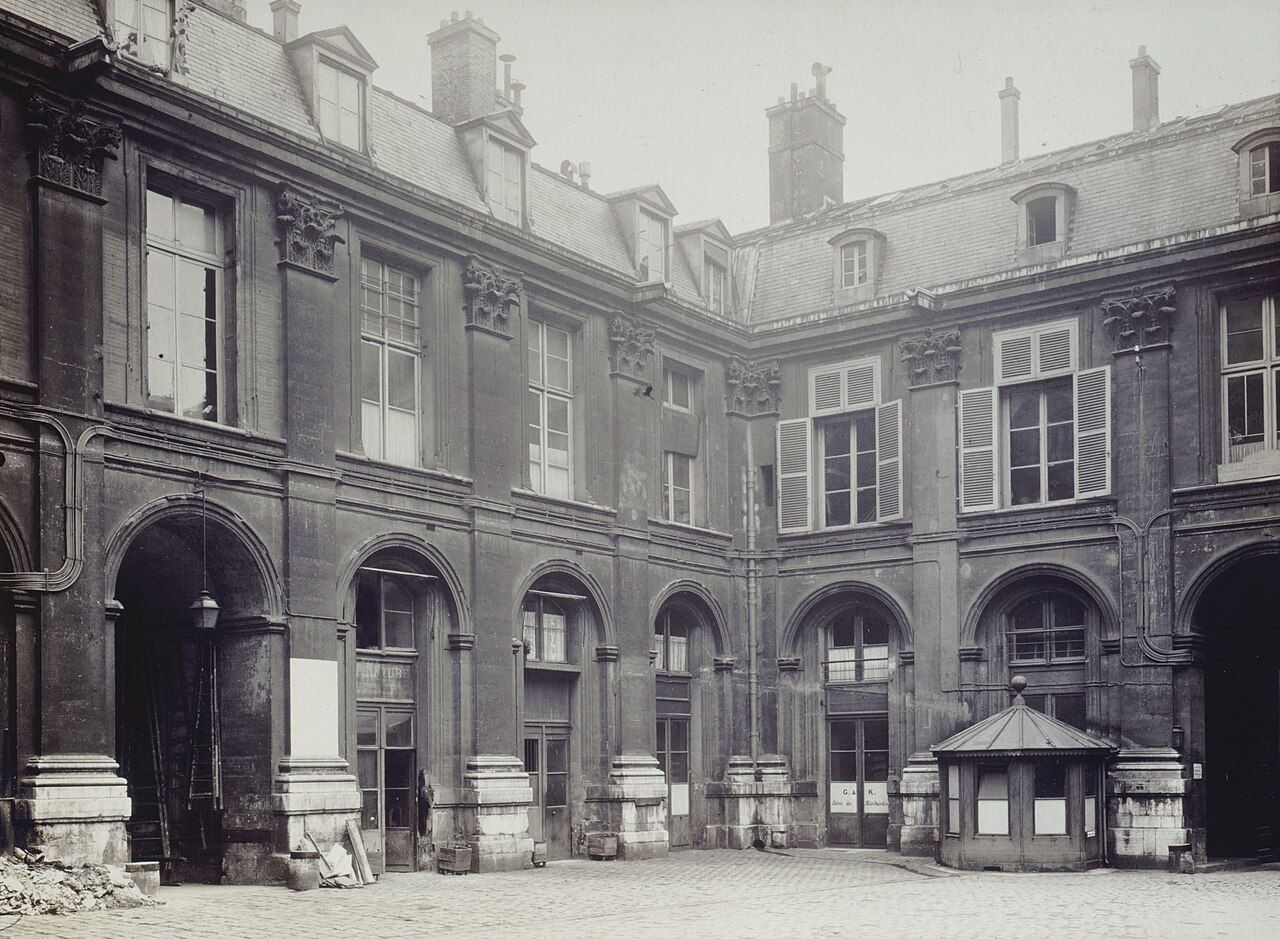
“71 rue du Temple” is where the day begins. The Museum of Jewish Art and History occupies the Hôtel de Saint-Aignan. Before the collections, the building already holds history. The day follows those chapters from the house outward.
Morning turns first toward the mansion’s beginnings. Pierre Le Muet built it for Claude de Mesmes, Count of Avaux. Work on the house ran between 1644 and 1650. The house began as a project for one named owner. Its later story would gather many more residents.
In 1688, the Duke of Saint-Aignan bought the house. His name stayed, giving the mansion its present name. Here, each change adds another layer to the address. The name points to one moment, not the whole history. The mansion’s story keeps moving beyond its title.
What did the house become?
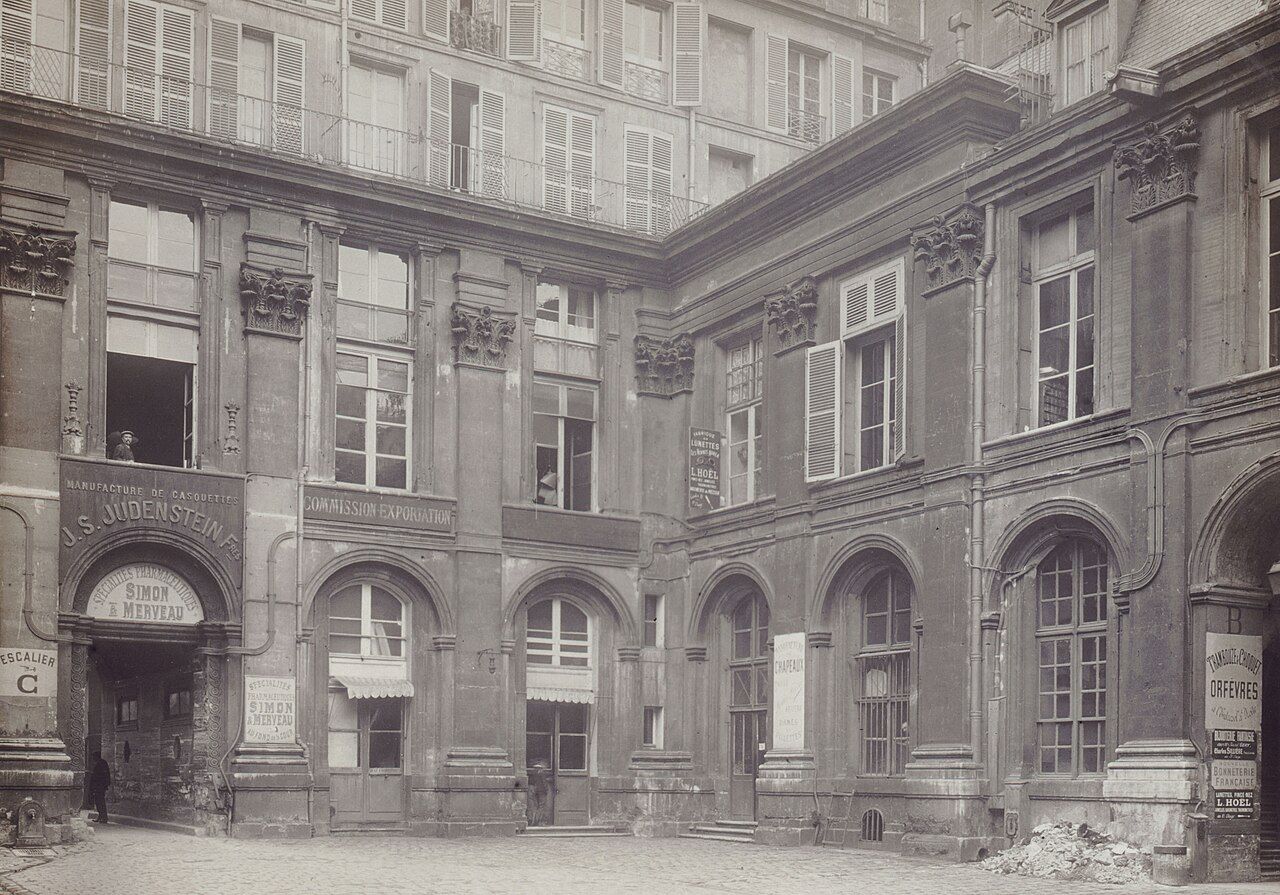
As the day moves on, the house’s later life comes forward. Across the 19th century and into the 20th, it held workshops and small flats. The mansion had been divided into smaller, working spaces. Its history was no longer held by one household. A single grand address had become a collection of smaller lives. That change shifts the scale of the story.
That change matters beside the museum’s present collections. The City of Paris restored the building. The museum opened in 1998, after that restoration. A public collection now occupies a house once divided. Restoration brought the house into another chapter. The old rooms now hold histories reaching far beyond them.
The house’s past is not a single, sealed period. Its rooms belong to several kinds of life. The collections add another scale to that history. The building’s uses changed, while its address remained. That tension makes the house more than a container.
What stories enter the collections?
By afternoon, the story widens beyond the mansion. The collections trace Jewish life in France, Europe and North Africa. They follow that history from the Middle Ages onward. The range makes a single address feel less narrow. It sets the house within a much longer story. The collection’s reach exceeds the mansion’s own past.
Medieval Jewish gravestones found in Paris are among the oldest pieces on display. Their presence makes the passage of time tangible. Stone carries a different weight from written records. Here, the oldest objects hold their place without spectacle. Their age gives the city’s past a physical form. The quiet force lies in their presence.
The city’s Jewish histories also reach beyond this house. They meet the Yiddish-speaking quarter around rue des Rosiers in the wider story. No single building can contain that whole history. The mansion offers a place to follow some of its threads. The link between house and quarter widens the frame. It keeps the story rooted in the surrounding city.
The Dreyfus archive brings another kind of record into view. Alfred Dreyfus’s descendants gave the museum a large archive. Its subject enters the house through documents and memory. The archive gives the day a more personal gravity. It adds another history to the museum’s broad sweep. The house holds both long histories and named lives.
Thought turns from those records toward the memorial on rue Geoffroy-l'Asnier. The link is one of memory, held across the city. The mansion’s collections make room for history in many forms. Some histories arrive through objects; others through names. The route of thought returns to this house’s residents. Their names give the building a sharper focus.
Who remains named in the courtyard?
By evening, the courtyard brings the story back inside. A work by Christian Boltanski lists people who lived here in 1939. Several of those residents were deported. Their names keep the building’s past close to its present. The courtyard turns a broad history toward particular lives. Its list makes the address feel inhabited again.
The work changes how the house’s earlier chapters read. The mansion was built, bought, divided, restored, and opened. Its residents are not an abstract part of that sequence. Their names make the address feel particular again. The building’s own walls hold this part of its history. That presence changes the day’s final impression.
The day ends with a house holding many scales of history. Its stones, archive, collections, and courtyard each tell differently. What else might a building keep, once its residents are named?