Museums
The Mansart house rescued for animals and art
A Mansart house survives neglect, then becomes a museum where hunting trophies, animal paintings and contemporary art share the rooms.
- Arrondissement
- 3e
- Métro
- Rambuteau
- Period
- 1650s
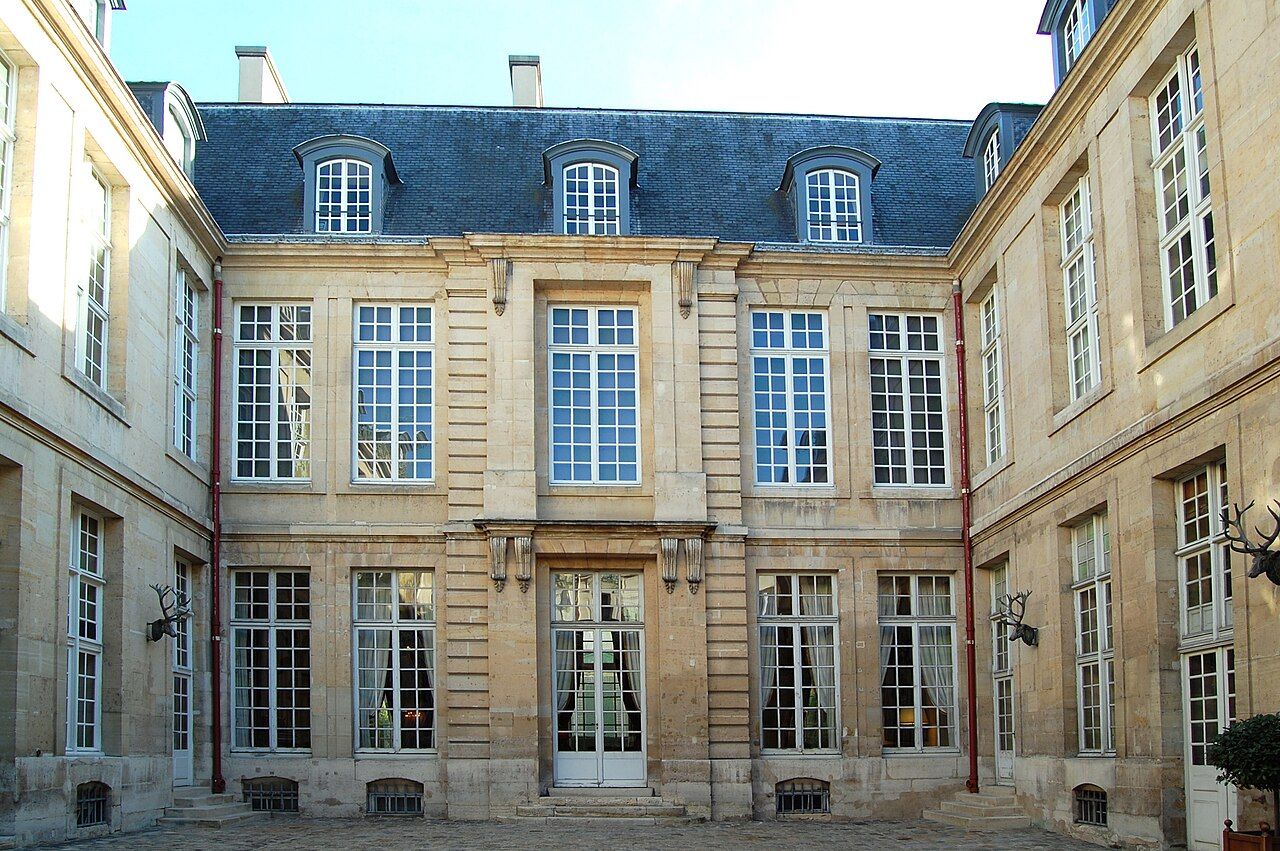
“Largely as he designed it” gives this house its argument.
What does morning preserve?
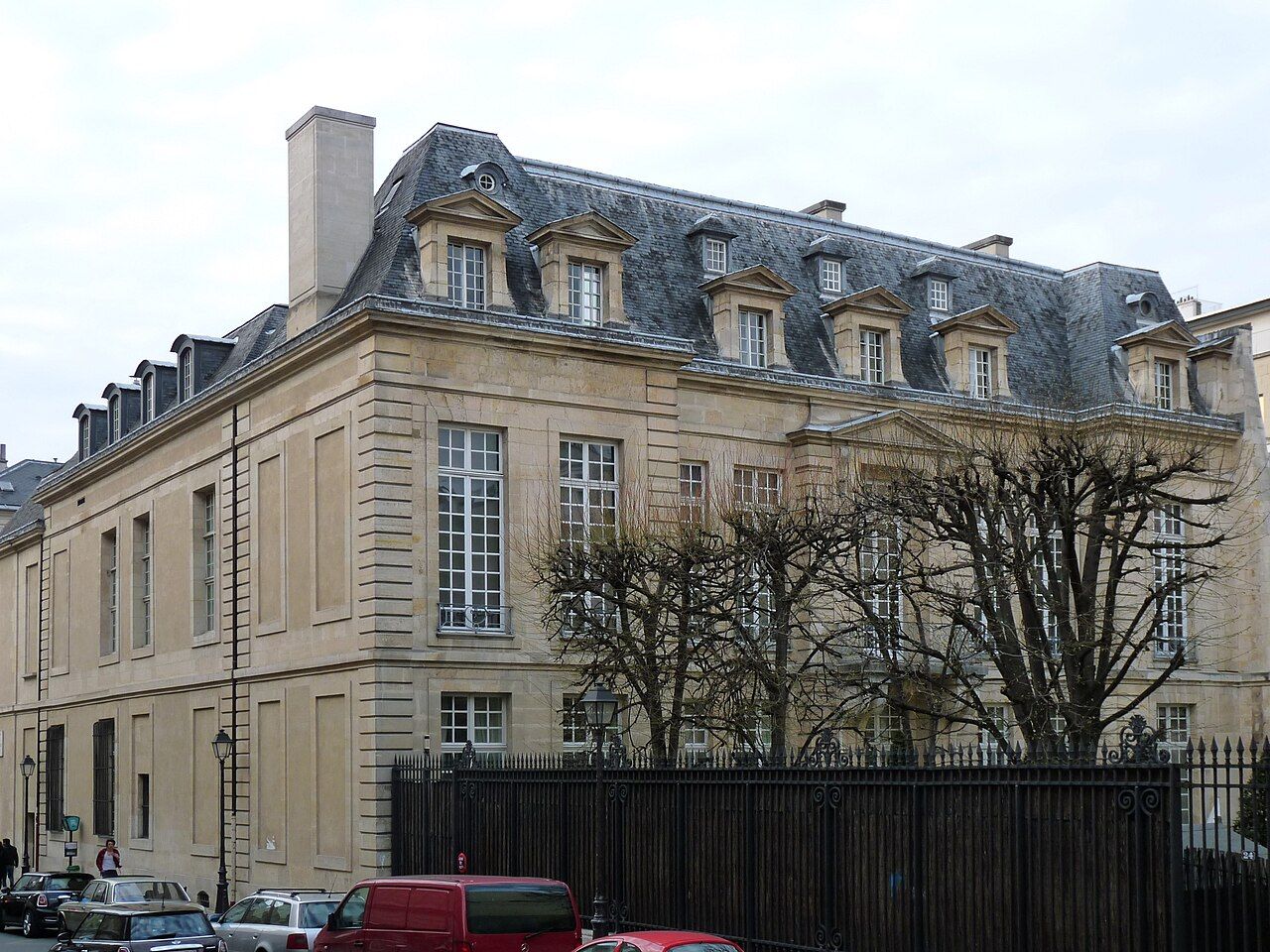
Morning begins on rue des Archives, with a building before its collections. François Mansart designed it for a secretary of state in the early 1650s. It remains the only Paris town house by Mansart to survive largely as designed. That survival has a plainness the collections complicate. Here, authorship has not dissolved into a general period style. The street’s history carries on through the street of the Clisson gateway. The neighbourhood continues south to the archives palace a few steps south.
The house was in poor condition in the 1950s. Then the City of Paris took it in hand. Rescue is a modest word for such a long change. It begins with a building still standing, but diminished. The eye can hold both facts together: the designed house, and the damaged one. That tension gives the museum a particular weight. The rooms do not sit apart from the story of their survival. They are its continuing form.
What gathers at midday?
By midday, the house has become a museum of unlikely company. The Musée de la Chasse et de la Nature occupies the Hôtel de Guénégaud. Hunting weapons, trophies, animal paintings and contemporary art share its collections. François Desportes and Jean-Baptiste Oudry painted animals here, alongside works of contemporary art. The mix refuses a tidy division between history and the present. A weapon, a painted animal and a contemporary work each bring another way of looking. Together, they make the house feel less like a container than an argument about attention.
Some rooms belong to a single animal: the wolf, the stag or the boar. That choice narrows the room’s subject and deepens it. The animal is not merely one image among many. It becomes the measure for looking around. There is a pleasing discipline in that arrangement. The collection moves from weapons and trophies to paintings, then to art made in another time. The house’s old form holds these shifts without explaining them away. Its rooms leave the eye to make connections, and sometimes to resist them.
Nearby, the neighbourhood’s museums offer another point of reference.
What remains by late afternoon?
Late afternoon returns the story to the rescue. François Sommer and his wife Jacqueline created a foundation in 1964 to run the house as a museum. The museum opened in 1967. The private foundation gave the damaged house a continuing purpose. Its work was not simply to preserve a design, but to keep that design occupied. In 2007, the museum expanded into the neighbouring Hôtel de Mongelas. The story therefore continues through an adjoining house, not just within the original walls.
The expansion makes the museum larger, but the first house remains its centre of gravity. Mansart’s surviving town house is unusual because its form endured. The animal rooms make that endurance feel less solemn. A wolf, a stag or a boar gives each room its own distinct focus. The house gathers those presences with paintings, weapons and contemporary art. By late afternoon, the rescue and the collection seem inseparable. One room holds to a single animal; the old house holds the rest.