Museums
The Hôtel Salé, where two taxes meet
A salt-tax fortune raised this mansion; inheritance tax later brought Picasso’s works to its rooms. One address holds two different accounts of wealth.
- Arrondissement
- 3e
- Métro
- Saint-Sébastien-Froissart
- Period
- 1656-1659
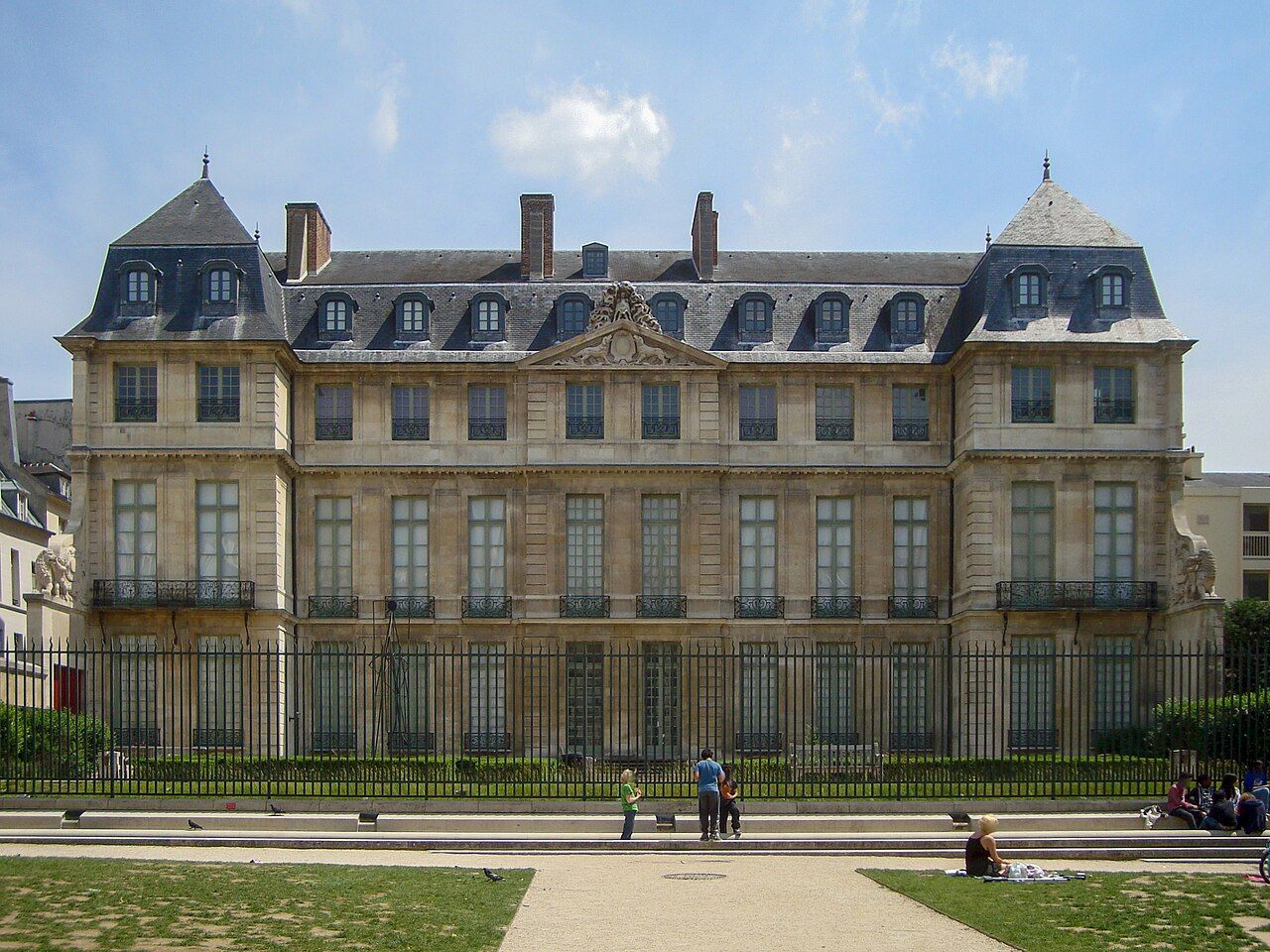
1656–1659: the Hôtel Salé rises from a salt-tax fortune. Its first account begins with Pierre Aubert de Fontenay. The house stands at 5 rue de Thorigny, in the 3rd arrondissement. Its name carries the taste of that origin.
Morning gives the story its first measure: a mansion, then a museum. The distance between those identities is not small. The walls belong to one history; the works inside belong to another. Between them, two kinds of tax leave their mark.
What did salt build?
Pierre Aubert de Fontenay collected the gabelle, the salt tax. The fortune behind the house came from that work. Parisians nicknamed it the salted house, a compact joke with lasting weight. A name can keep its original account open.
The architect was Jean Boullier, known as Jean de Bourges. His name sits beside the house’s beginnings, not apart from them. The Hôtel Salé was built between 1656 and 1659. Its years give the story a firm, narrow frame.
Rue de Thorigny lies a short walk from Place des Vosges. The route joins two familiar names without making them identical. Here, the mansion keeps its own scale and title. The salt remains in the name, even when absent from view.
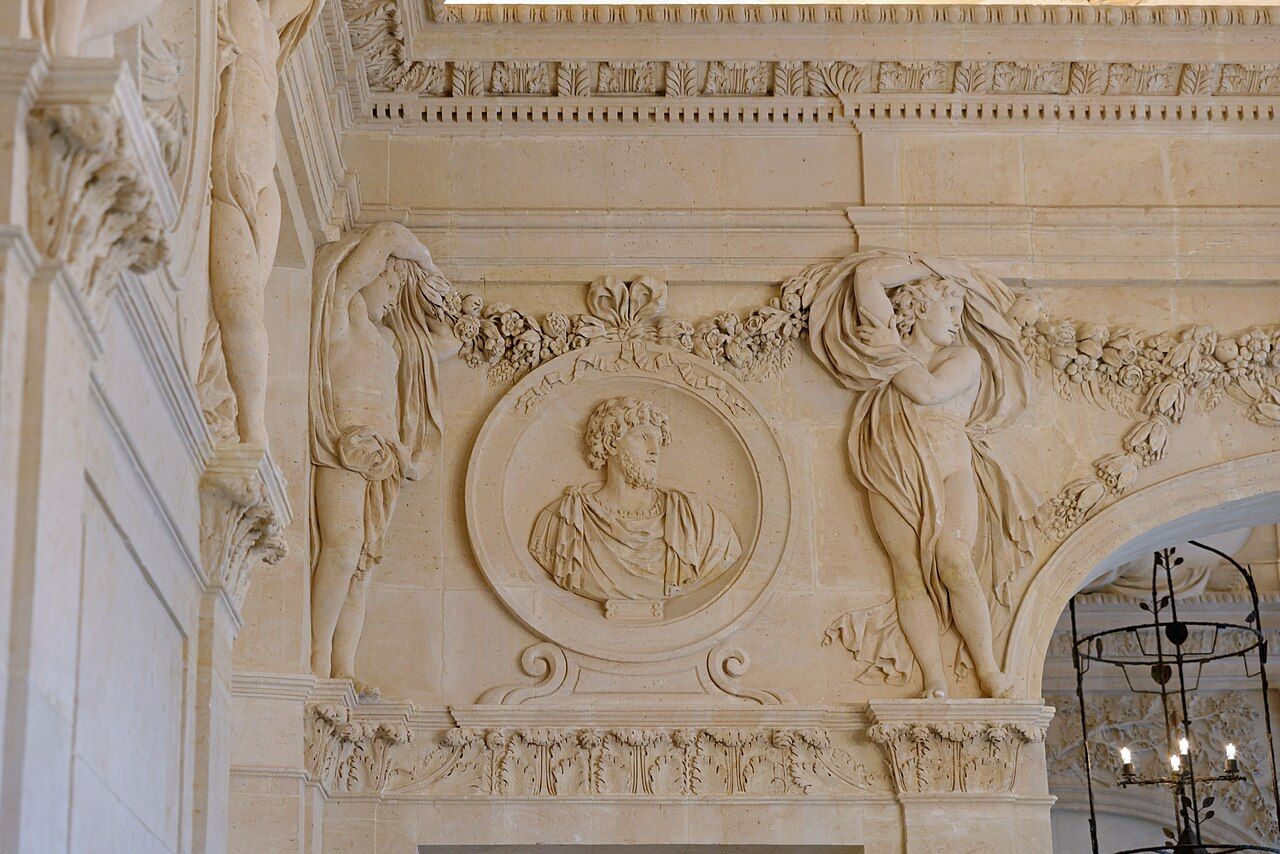
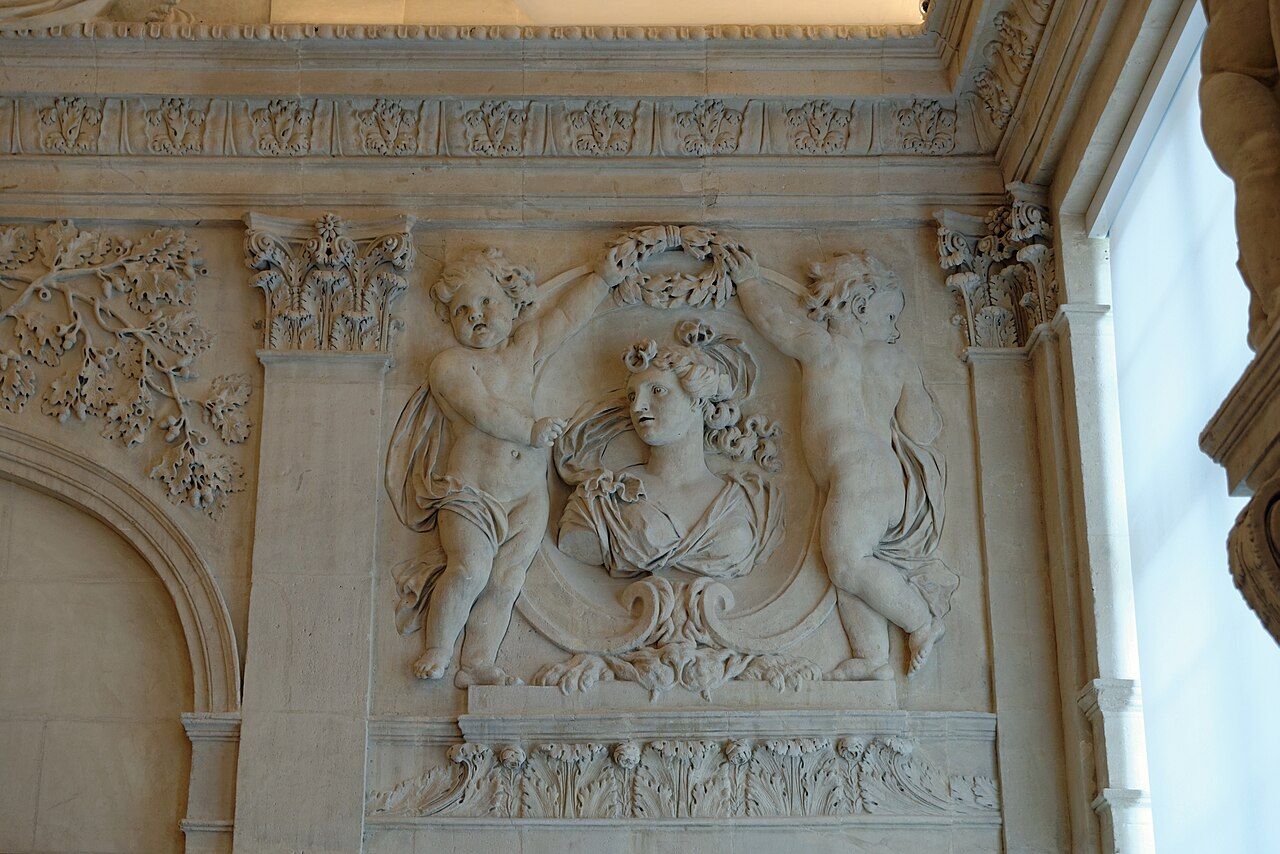
By morning’s end, the grand staircase takes over the telling. Its carved decoration is attributed to Gaspard and Balthazar Marsy. The attribution leaves room for a careful kind of certainty. The staircase holds the house’s grandeur without needing another claim.
Carved forms slow the passage upward, even in thought. The staircase is not just a route through a house. It is one of the facts the house offers plainly. Its decoration gathers attention, then returns it to the building.
Between them, two kinds of tax leave their mark.
What changed hands?
In 1964, the City of Paris bought the house. That purchase changed its ownership, not its earlier story. A private fortune had raised the mansion; the city took it into public hands. The name still points backward, toward salt.
The years move on, and the next account begins with Picasso. Pablo Picasso died in 1973. His heirs faced inheritance tax, a different kind of claim. They settled it by giving works to the state under the dation system.
The transfer makes the museum’s central story unusually direct. Art paid a tax, and the payment became a collection. A financial obligation turned into something publicly held. The mansion’s old fortune and Picasso’s inheritance meet here, across centuries.
At noon, the two histories sit together without blending. The salted house recalls wealth gathered through taxation. The works recall tax settled through art. One story built the address; the other filled it with meaning.
The Musée national Picasso-Paris opened in the Hôtel Salé in 1985. The opening joined a collection to a building already carrying its own past. The museum’s name makes that pairing explicit. Neither history has to disappear for the other to be heard.
What does the collection hold?
By afternoon, the scale of the collection comes into view. It holds about 5,000 works by Picasso, along with a very large archive. The number is rounded, but the range feels expansive. Works and records belong to the same wider account.
The archive adds another kind of presence to the works. It keeps the collection from becoming only a sequence of finished objects. Papers and art occupy different registers of memory. Together, they make the museum’s holdings more than a single image.
Picasso also collected works by other artists. The museum holds works by Cézanne, Matisse and Renoir. Their names widen the collection’s frame without pushing Picasso aside. His eye for other artists remains part of his own story.
The rooms carry more than one maker’s mark. Chairs, tables and lamps by sculptor Diego Giacometti were made for the museum’s rooms. Their presence belongs to the museum’s design. Furniture becomes part of how the collection is encountered.
That detail makes the afternoon feel less like a ledger. The building holds art, archive and furniture together. Nothing here needs to be reduced to one category. The old mansion keeps meeting new purposes.
What does the house become again?
The museum reopened in 2014 after a renovation lasting about five years. That return added another date to the house’s long sequence. The mansion had changed hands, then purpose, then its rooms. Its identity now holds those changes together.
In the later afternoon, the story can be read in order. Salt-tax fortune raised the house; the city bought it. Picasso’s heirs paid inheritance tax with works; the museum opened. The dates form a chain, not a clean break.
the 1960s rescue of the old mansions belongs to a wider city story. Here, though, one mansion keeps its own particular thread. It moves from private fortune to public collection. Each change leaves the earlier one legible.
Evening settles over the account without closing it. The staircase remains carved; the collection remains larger than one name. The house is neither only a tax fortune nor only a museum. Its two ledgers stay open together.
a walk through the Haut-Marais can end with this address in mind. Rue de Thorigny holds the old name and newer purpose. The day’s final image is simple: a staircase, a quiet pause, and two taxes still meeting beneath one roof.