From marsh to Malraux
The Marais of the salons
Town houses, Saturday salons and a famous theatre lifted the Marais into fashion, before the court and noble families turned elsewhere.
- Arrondissement
- 3e and 4e
- Period
- 1610-1700
1610-1700: the Place Royale was finished. Nobles and financiers built town houses across the Marais. The quarter became Paris’s most fashionable. The day’s story starts with that change of address. Fashion here was not only a matter of buildings. It gathered around people, conversation, performance and letters. The Marais had become a place to live, and a place to be heard.
What did morning bring?
Morning belongs to the houses, where a new social life took shape. Madeleine de Scudéry held her Saturday salon on rue de Beauce. The gathering had its own returning rhythm, set by the week. Her house gave conversation a place in the quarter’s public life. The Marais’s fashionable standing was made of such rooms, not façades alone. The distinction matters: a town house could hold a world of talk. Saturday after Saturday, the salon made that world present.
Ninon de Lenclos received writers and nobles on rue des Tournelles. Her house adds another address to this social map. Writers and nobles met within the same fashionable quarter. The company itself gives the Marais its particular charge. These houses were homes, but also settings for ideas and reputations. A morning spent tracing them would pass between streets and imagined rooms. The sound is conversation, even when the rooms are now reached through memory.
What filled the middle of the day?
The quarter’s appetite for style could also invite a sharp reply. In 1659, Molière mocked salon fashions in Les Précieuses ridicules. The joke belongs to the same fashionable world it needles. Its target is not distant from its audience. A salon fashion could be admired, then made ridiculous onstage. That tension gives the period more life than unbroken praise. The Marais was not simply fashionable; fashion itself could become theatre.
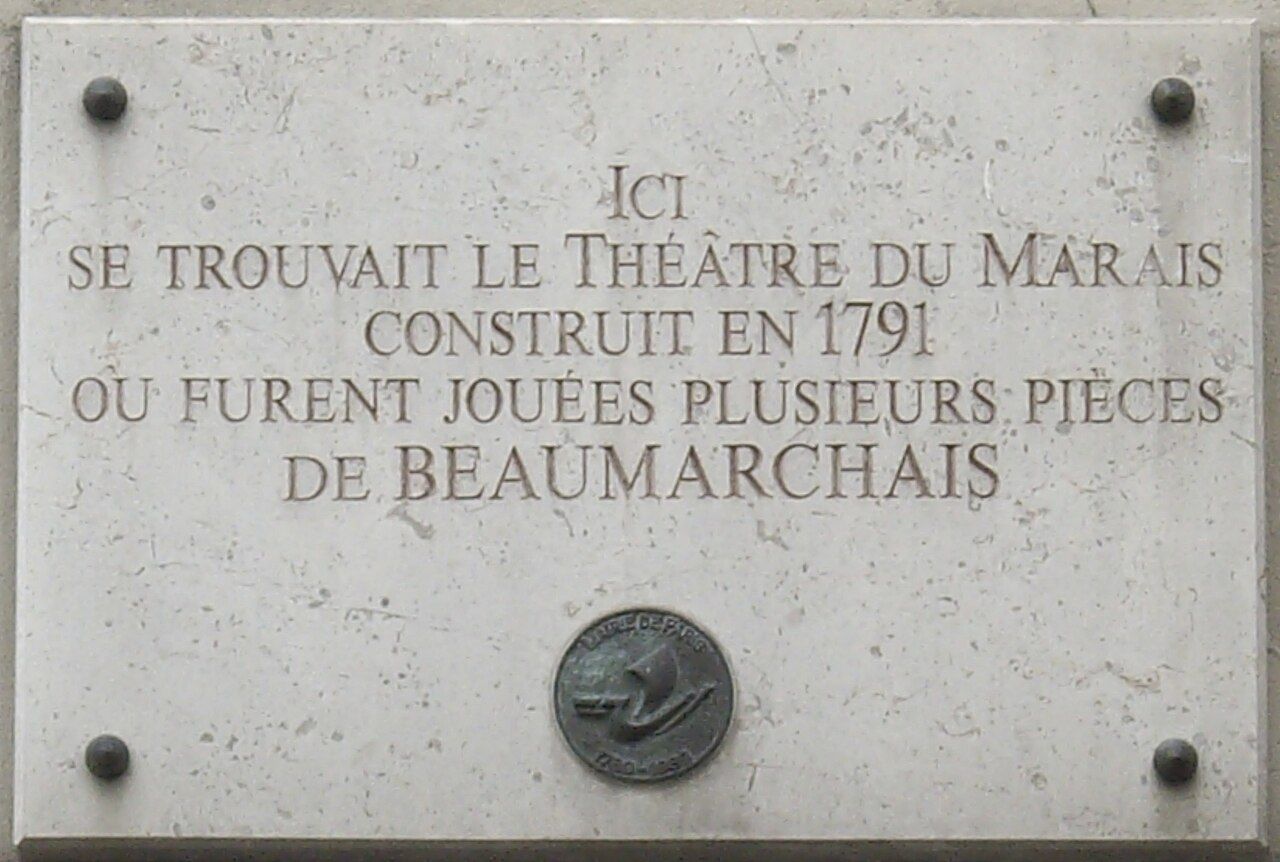
The Théâtre du Marais made that idea literal. It was set up in a former tennis court. In January 1637, it staged the first performance of Corneille’s Le Cid. A changed use of space, then a first performance: the story is brisk. The theatre’s past life and new purpose meet in one address. The quarter’s houses held conversation; its theatre made performance public. By afternoon, the fashionable Marais has several voices.
What did the afternoon leave behind?
Madame de Sévigné’s letters give the day another kind of record. Her letters to her daughter describe daily life in the Marais in detail. They make ordinary life part of the quarter’s history. The account is not only about salons or public performance. It also rests in the small particulars that letters preserve. The letters lead back to the house where Sévigné wrote her letters. A letter can hold a social world without turning it into a grand scene.
That written closeness gives the fashionable century its human scale. The house, salon and theatre are different stages. Each lets the Marais appear through daily life, talk or performance. None alone explains its rise. Together, they show a quarter whose fashion was lived, not merely declared. The letters keep the everyday in view, while the theatre keeps its public face. The afternoon gathers these different records into one portrait.
When did evening begin to change?
In 1682, Louis XIV moved the court to Versailles. The court’s departure altered the Marais’s place in fashionable Paris. The shift did not erase its houses or its remembered voices. It did, however, mark the beginning of another direction. In the 18th century, many noble families left for the Faubourg Saint-Germain and the Faubourg Saint-Honoré. The fashionable quarter began to lose the people who had given it that standing.
By the eve of the Revolution, the Marais was seen as old-fashioned. It had become a quarter of magistrates and retired families. The evening ends not with a single door closing, but with a change in reputation. The later story turns to what the quarter became after the nobles left. The town houses remain the opening image; the emptied social world becomes the last. The salons, theatre and letters still sketch a fashionable century. What does a quarter become when its audience moves on?