From marsh to Malraux
How did the Malraux law save the Marais?
A law interrupted plans to demolish old blocks. Its restoration rules brought back façades and courtyards, while rising rents pushed working families and artisans away.
- Arrondissement
- 3e and 4e
- Period
- 1962 onward
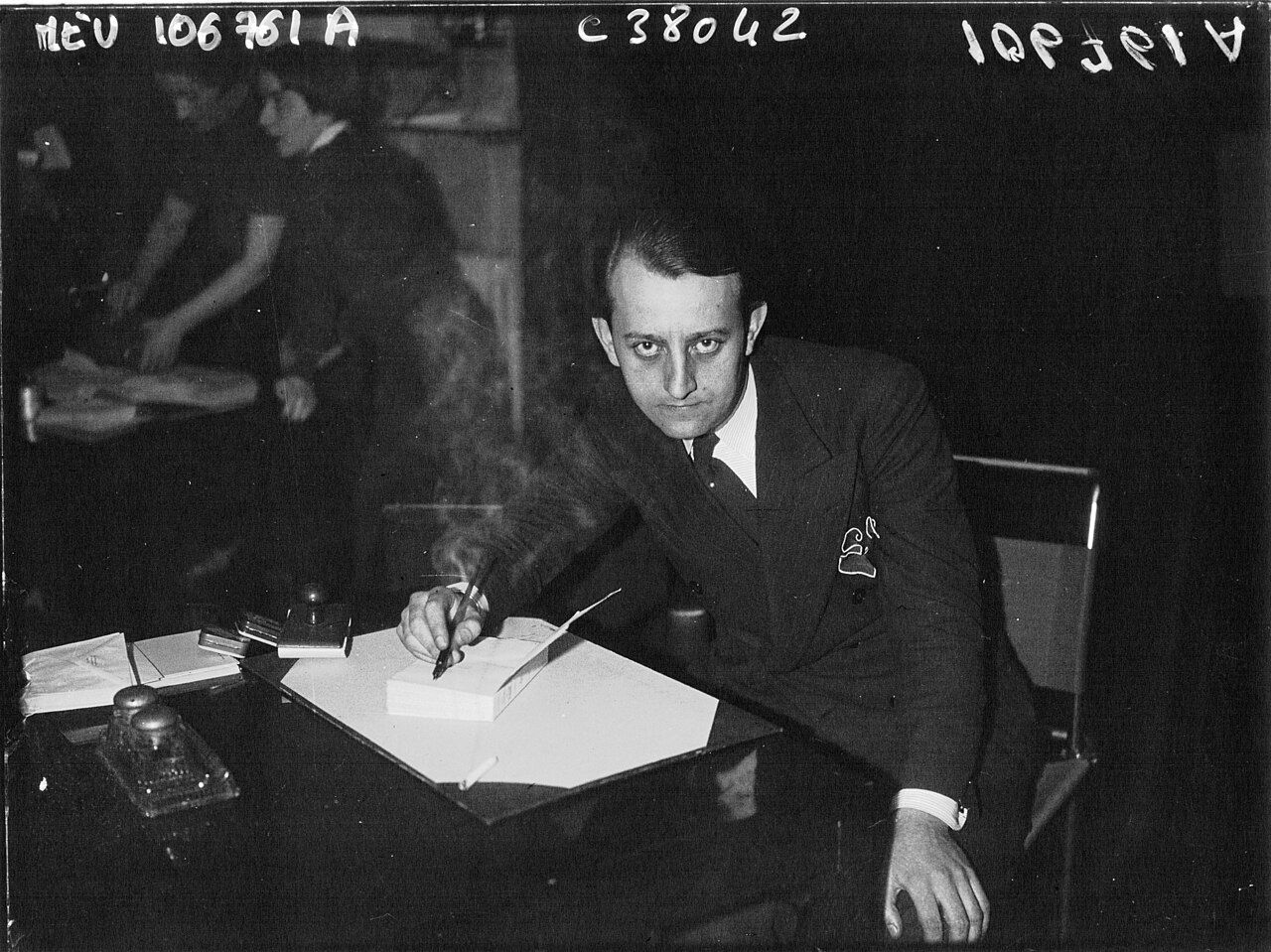
1962 began a change in the Marais, but not a simple rescue. The law protected old urban fabric from demolition. Restoration followed, bringing its own losses. The quarter’s story runs through that uneasy sequence.
How did protection begin?
-
What did the law set out to protect?
The Malraux law of 4 August 1962 created protected urban sectors. These secteurs sauvegardés applied to historic towns. They made the old city a subject of protection, rather than clearance. The change was legal, but its consequences would be visible in streets and courtyards.
The law took its name from André Malraux. He was Minister of Cultural Affairs under Charles de Gaulle from 1959 to 1969. His name became attached to a broad idea: historic quarters could be protected as places, not treated as obstacles.
Before the law, plans for the Marais included demolishing whole blocks. That prospect gives the word “restoration” a sharper edge. The question was not only how old houses might look. It was whether whole streets would remain.
-
Why did the Marais matter?
The Marais protected sector was created in 1964. It covers about 126 hectares across the 3rd and 4th arrondissements. It was one of the first protected sectors created in France. The boundary gathered a large, varied quarter under one protective idea.
It included both the Haut-Marais and the southern Marais, down to the Seine. That span matters. The protected area was not a single handsome street or isolated mansion. It connected different parts of the quarter within one plan.
The map gave the Marais a new kind of continuity. Blocks that might have faced separate fates now belonged to a protected sector. The law did not make every part alike. It did make their survival part of the same argument.
-
What did restoration change first?
The rules required façades to be restored. Later, sheds and additions were cleared from courtyards and gardens. The work reached beyond the street-facing surface. It altered the spaces behind façades, too, where later building had accumulated.
A restored façade brings the eye back to the building’s outer face. A cleared courtyard changes the space around it. The work is visible in a cleared block of courtyards. These are different kinds of repair, but both make the older structure more legible.
That process also shows what protection meant in practice. It did not mean leaving every later layer untouched. Restoration chose which parts to keep and which to remove. In the Marais, that choice reshaped courtyards as well as streets.
-
How did the plan take shape?
The protection plan for the Marais was approved in 1996. It was revised in the 2010s. A protected sector was not simply a line drawn once and forgotten. Its plan could be approved, then revised as the work continued.
The years between the law and approval mark a long passage. Protection had begun before the plan reached that milestone. The sequence matters: the 1962 law opened the way, while the Marais sector followed in 1964. The approved plan came later.
That delay is part of the story, not a footnote. A quarter cannot be restored by a name alone. The plan gave the protection a more settled framework, then later revisions kept that framework in motion.
-
Which buildings carried the change?
Several great mansions were restored in the decades after the law. The Hôtel Salé and the Hôtel de Sully were among them. Their restoration placed large historic buildings within the quarter’s broader recovery.
One can read that shift in the salt-tax mansion turned museum. Another appears in a restored minister's house on rue Saint-Antoine. These buildings give restoration a visible form, but they do not tell the whole social story.
The return of a mansion’s old presence can feel like a clear victory. The larger question is what that victory costs. A restored building is one measure of change; the people able to remain nearby are another.
-
What helped make restoration possible?
The Festival du Marais was founded in 1962. It staged concerts and plays in mansion courtyards. Those performances helped build support for restoration. The courtyards became places where cultural activity met repair.
That connection was more than decoration. The festival helped make restoration a public cause. Concerts and plays gave the mansion courtyards another role, alongside their architectural one. The old buildings were not only objects to repair; they could host activity.
There is a neatness to that story, but it has limits. Support for restoration grew, while restoration itself changed the quarter. The same courtyards that held performances also stood within a larger programme of repair and clearance.
-
What did the rescue cost?
Restoration raised rents and property values. Many working families and artisans left the quarter. That is the cost at the centre of the story, and it cannot be softened by handsome façades.
The law helped protect old buildings from plans for block demolition. The resulting restoration renewed the physical quarter, while rising costs unsettled who could live and work there. Rescue and displacement belong in the same account.
The change was not a simple exchange of decay for beauty. It brought restored mansions and cleared courtyards, but also departures. The rescue kept the old quarter standing, then changed who could stay. That sentence holds both sides together.
-
What became of protected sectors?
A 2016 law replaced protected sectors with sites patrimoniaux remarquables. The new designation came after decades of restoration and planning. The Marais story therefore has another turn, beyond the creation of its protected sector.
The sites patrimoniaux remarquables are overseen by the Ministry of Culture. The name changed, and so did the framework. The earlier protection still belongs to the Marais’s history, especially where restored façades and courtyards make its effects visible.
The quarter’s record resists a tidy ending. A threatened landscape remained, but its restoration raised the price of staying. The buildings carry both outcomes, even when the street shows only their renewed faces.
The rescue kept the old quarter standing, then changed who could stay.
In a courtyard, façades face open space again. Later sheds and additions are gone. The quiet space holds the shape of the decision: what restoration brought back, and what the quarter could no longer keep.